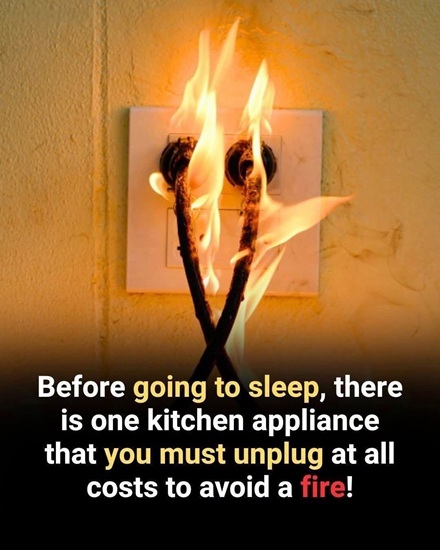
Most people assume that once a device is turned off, it no longer consumes electricity. However, in modern homes, many appliances continue to draw small amounts of power even when they are not actively in use. This phenomenon is commonly known as “phantom energy” or “standby power.” It refers to the electricity used by electronics that remain plugged in while appearing to be switched off. Although the energy consumption of a single device may seem minimal.
The combined effect of multiple appliances across an entire household can become significant over time. With today’s homes filled with electronics, chargers, and smart devices, standby power has become a consistent and often unnoticed part of daily electricity usage. Phantom energy occurs when devices continue to use electricity while in standby mode. Many modern appliances are designed to stay partially active so they can respond instantly when turned on.
This includes powering features such as remote sensors, digital clocks, internal memory, and indicator lights. Because these systems are always ready for use, they require a continuous, low-level flow of electricity. While the amount of energy used by each device is small, the total across multiple appliances can add up over days, months, and years.
In many households, this can contribute to a noticeable portion of overall energy consumption. Understanding this concept helps homeowners become more aware of how electricity is used even when devices appear inactive.
Common Household Devices That Use Standby Power
One of the most common examples of standby energy use comes from phone and tablet chargers. Even when a device is not connected, many chargers continue to draw a small amount of power while plugged into an outlet. Although the consumption is low, leaving multiple chargers plugged in throughout the home can contribute to unnecessary energy use over time.
Kitchen appliances are another frequent source of standby power. Coffee makers with digital clocks, programmable settings, or timers often remain active around the clock. These features require continuous electricity to maintain settings and display information, even when the appliance is not in use.
Toasters and toaster ovens may also consume small amounts of standby power, especially models with digital controls or LED indicators. In addition, leaving them plugged in for long periods may increase exposure to electrical issues or accidental activation in some cases.
Entertainment Systems and Electronics
Television sets, gaming consoles, and home entertainment systems are among the largest contributors to standby energy usage in many homes. These devices are often designed for instant startup, which means they remain in a low-power standby state when turned off rather than fully disconnecting from electricity.
Even when not actively in use, features such as remote control sensors and background system processes may continue operating. In many cases, a small indicator light remains on, signaling that the device is still drawing power.
Similarly, computers and their connected accessories—such as monitors, printers, speakers, and external storage devices—can continue using electricity even when the main system is shut down. This ongoing energy use is part of the system’s readiness and connectivity functions.
Why Standby Power Adds Up Over Time
Individually, each device may use only a small amount of electricity in standby mode. However, when combined across an entire household, the total consumption becomes more noticeable. Homes with multiple televisions, chargers, kitchen appliances, and smart devices can experience continuous background energy usage without realizing it.
Over long periods, this can contribute to higher electricity bills. In addition to cost, constant power flow also means devices remain exposed to fluctuations in the electrical supply. This can increase the risk of wear over time, particularly during power surges or unstable grid conditions.
Safety and Practical Considerations
While reducing standby power can be beneficial, it is also important to recognize that not all devices should be unplugged. Essential appliances such as refrigerators, freezers, medical equipment, and home security systems must remain connected to function properly.
For other electronics, users can consider practical solutions such as manually unplugging devices when not in use or using power strips. Smart power strips, in particular, can help reduce standby consumption by automatically cutting power to multiple devices when the main device is turned off.
These approaches allow households to manage energy use more efficiently without sacrificing convenience.
Environmental and Efficiency Benefits
Reducing standby energy usage can contribute to lower overall electricity consumption, which in turn supports broader energy efficiency goals. Even small behavioral changes, when adopted across many households, can collectively reduce unnecessary energy demand.
In addition to financial savings, minimizing unused power consumption can help reduce strain on electrical systems and support more sustainable energy usage patterns. It also encourages greater awareness of how everyday habits influence overall energy efficiency.
Awareness Leads to Better Energy Control
Phantom energy is often invisible in daily life, but it is a real and ongoing part of household electricity use. Many common devices continue to draw small amounts of power even when they are not actively being used, and over time, this can accumulate.
By becoming more aware of standby power and taking simple steps to reduce unnecessary consumption, households can improve energy efficiency and reduce waste. Whether through unplugging unused devices or using smart power solutions, small actions can lead to meaningful long-term benefits.
Ultimately, understanding how electricity is used—even when devices appear off—helps create a more efficient, cost-conscious, and environmentally aware home.