The Hidden Cost of Skipping Intimacy: What Science Is Revealing About Your Body and Mind
You might think skipping intimacy is harmless—or just a minor relationship hiccup. But science now suggests it could be quietly damaging your body and mind in ways you never imagined.
Intimacy isn’t just about pleasure; it’s a vital part of physical and emotional health. When partners share intimate moments, their brains release hormones like serotonin and dopamine, boosting happiness and strengthening bonds.
Why Intimacy Matters More Than You Think
Research shows that couples who engage in regular intimacy report better relationship satisfaction and overall health. On the flip side, a lack of s*xual activity can trigger real changes throughout the body:
Immune System Boost
During intimacy, blood pressure and cortisol temporarily rise, stimulating the immune system. Wilkes University studies found that couples intimate at least twice a week can increase immunoglobulin levels by up to 35%—a powerful defense against infections.
Brain Health
Intimacy encourages the brain to produce new neurons in the hippocampus, the region crucial for memory and learning. Avoiding sx may reduce this neurogenesis, potentially impacting cognitive health over time.

Muscle Function
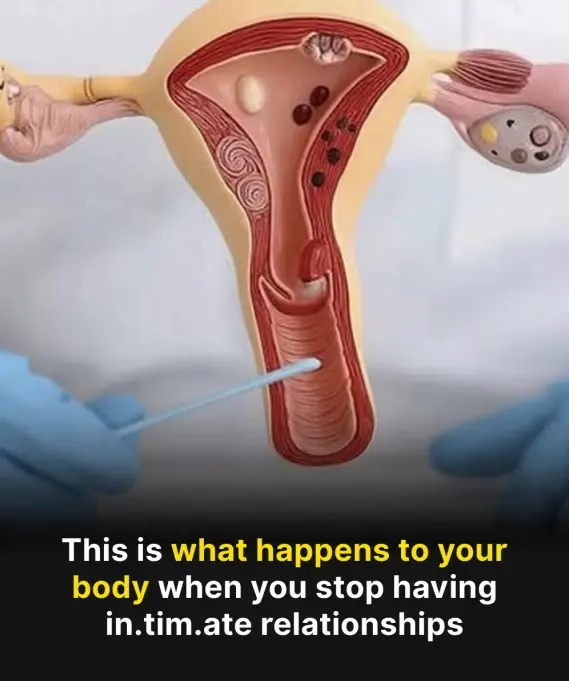
S*xual organs contain muscles that need activity to stay strong. For men, inactivity may increase the risk of erectile dysfunction, while women may experience a loss of firmness and tone in intimate muscles. Regular sxual activity keeps these muscles healthy and functional.
When Intimacy Feels Difficult
If intimacy is a challenge, remember: help is available. Trusted healthcare professionals can offer guidance and treatments tailored to your needs, helping you restore s*xual health and improve well-being.
🔹 Conclusion
Intimacy is much more than pleasure—it’s essential for your body, mind, and emotional connection. Skipping s*xual activity can weaken your immune system, harm brain function, and reduce muscle tone in intimate areas. Maintaining an active intimate life and seeking support when needed are key to protecting both your health and your relationships.
Please SHARE this article with your family and friends on Facebook.