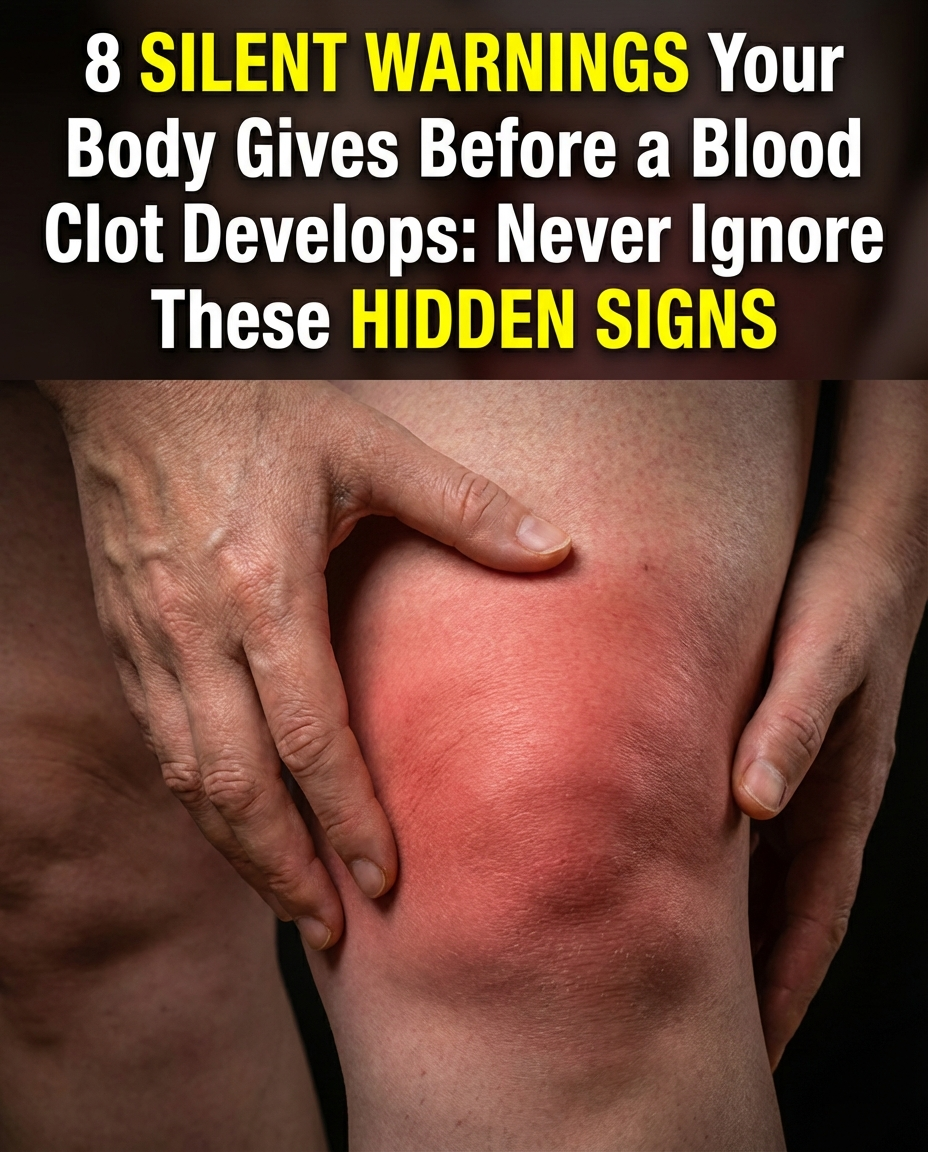
You’re getting dressed and notice it:
A cluster of tiny red dots on your arm. A single bright spot on your ankle. A faint rash that won’t fade.
Your mind races: Is this an allergy? An infection? Something serious?
First, take a breath.
Red spots on the skin are incredibly common—and in most cases, completely harmless.
But because some causes can signal underlying health issues, it’s wise to know the difference.
In this guide, you’ll learn:
✅ 7 common causes of red skin spots—from benign to serious
✅ Key visual clues to help identify what you’re seeing
✅ When to monitor at home—and when to call a doctor
✅ What conditions like petechiae, cherry angiomas, and purpura really look like
Because awareness—not anxiety—is your best tool.
🔍 7 Common Causes of Red Spots on the Skin
- Cherry Angiomas (Harmless)
What they look like: Small, bright red, dome-shaped bumps (1–5mm)
Where they appear: Torso, arms, shoulders
Cause: Clusters of dilated capillaries; linked to aging (common after 30)
Action: None needed—they’re benign and painless
🌟 Good sign: Don’t blanch (turn white) when pressed - Petechiae (Potentially Serious)
What they look like: Pinpoint, flat red/purple dots (like ink dots)—don’t blanch
Where they appear: Legs, arms, torso, or inside mouth
Cause: Tiny capillaries leak due to:
Violent coughing/vomiting
Certain medications (blood thinners, aspirin)
Low platelet count (thrombocytopenia)
Infections (e.g., meningitis, mononucleosis)
Action: See a doctor if widespread, unexplained, or accompanied by fatigue/fever
⚠️ Red flag: Petechiae on the palate (roof of mouth) can signal serious infection - Purpura (Medical Attention Needed)
What it looks like: Larger purple/red patches (larger than petechiae), often raised
Cause: Blood vessel inflammation (vasculitis), clotting disorders, or autoimmune disease
Action: Requires medical evaluation—especially if painful or spreading - Heat Rash (Miliaria)
What it looks like: Tiny red bumps or blisters, often itchy
Where: Chest, back, neck—areas prone to sweating
Cause: Blocked sweat ducts in hot/humid weather
Action: Cool down, wear loose clothing—resolves in days - Allergic Reaction or Contact Dermatitis
What it looks like: Red, itchy, sometimes blistering patches
Trigger: New soap, detergent, plants (poison ivy), or jewelry
Action: Avoid trigger, use hydrocortisone cream; see a doctor if severe - Keratosis Pilaris (“Chicken Skin”)
What it looks like: Rough, sandpaper-like red bumps (often on upper arms)
Cause: Buildup of keratin in hair follicles
Action: Harmless—moisturize with lactic acid or urea creams - Viral Exanthems (e.g., from colds or childhood illnesses)
What it looks like: Fleeting red spots during or after a fever
Common in: Kids after roseola, hand-foot-mouth, or mild viruses
Action: Usually resolves on its own
When to See a Doctor Immediately
Seek medical care if red spots are accompanied by:
Fever, chills, or confusion
Rapid spreading or darkening
Pain, swelling, or warmth in the area
Bleeding or bruising easily
Spots that don’t fade when pressed (use the “glass test”: press a clear glass firmly—if color remains, it’s non-blanching)
🩺 Glass test tip: Non-blanching rashes can indicate meningitis or vasculitis—seek emergency care.
💡 How to Monitor at Home
Take a photo weekly to track changes
Note symptoms: Itchy? Painful? Associated with illness?
Avoid scratching—can cause infection or scarring
❤️ Final Thought: Know Your Skin—Without Fear
Your skin is your body’s largest organ—and it speaks.
Most red spots are just part of being human.
But when something feels “off,” trust your intuition.
A quick check-in with your doctor can bring peace of mind—or catch something early
Because your health isn’t about perfection.
It’s about paying attention—with kindness, not fear.
🔴 Your skin tells a story. Listen gently.
Found this helpful?
👉 Save this guide for future reference
👉 Share it with someone who checks their skin regularly
👉 Comment below: Have you ever had unexplained red spots?
Disclaimer: This article is for educational purposes only and not medical advice. Always consult a healthcare professional for new, persistent, or concerning skin changes.