“10 Minutes Ago in Washington, D.C.”: The Anatomy of a Viral Headline—and Why You Should Pause Before You Click “See More”
You’ve seen it before:
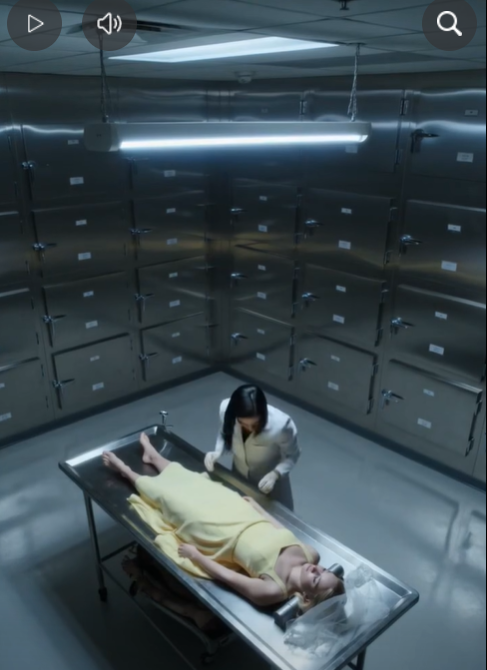
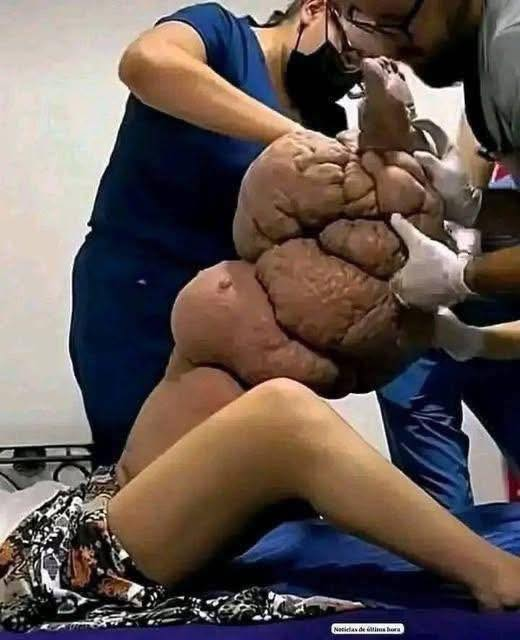
“10 Minutes Ago in Washington, D.C.: Shocking Development Leaves Officials Stunned… See More”
It appears in social feeds, often paired with dramatic images, partial quotes, or vague references to breaking news. The location sounds official. The timing feels urgent. The phrasing triggers curiosity. And that’s exactly the point.
But behind headlines like this is a carefully engineered formula—not necessarily to inform, but to capture attention.
The Formula Behind Viral “Breaking” Headlines
Most viral clickbait headlines follow a predictable structure:
- Extreme immediacy
“10 minutes ago,” “just in,” or “moments ago” creates urgency. It suggests you’re missing out on something happening right now, even when the content may be old or unrelated. - A credible-sounding location
Cities like Washington, D.C., New York, or London are often used because they sound politically or globally important. This adds perceived authority.
- Emotional trigger words
Words like:
“shocking”
“breaking”
“unbelievable”
“authorities stunned”
These are designed to bypass critical thinking and activate emotional curiosity.
- The unfinished sentence
“See more…” or “What happened next will shock you…”
This is the hook. It’s intentionally incomplete so your brain wants closure.
Why Your Brain Falls for It
This isn’t accidental—it’s psychological design.
Human brains are wired to prioritize:
Urgency (something is happening now)
Threat or surprise (something unusual occurred)
Incomplete information (the “curiosity gap”)
That last one is especially powerful. When a headline gives you part of a story but not the ending, your mind naturally wants to fill in the gap. Clicking becomes almost automatic.
The Reality Behind Many Viral Headlines
In many cases, these headlines lead to:
Old news being repackaged as “breaking”
Misleading summaries of real events
Exaggerated interpretations of minor incidents
Entirely unrelated content (ads, surveys, or compilations)
The goal is often not accuracy, but engagement—clicks, shares, and ad revenue.
How to Protect Yourself from Clickbait Traps
You don’t need to stop reading online news—you just need to slow the impulse.
Here are simple checks:
- Look for a real source
Is there a recognizable news outlet attached, or just a vague page name? - Search the headline independently
If it’s truly breaking news, multiple credible sources will report it. - Watch for emotional overload
If the headline feels like it’s pushing you to react, it’s worth questioning. - Be cautious with “See more”
That phrase is often where the real content disappears into unrelated or recycled material.
Why This Matters More Than Ever
In the age of algorithm-driven feeds, attention is currency. The more you click emotionally charged headlines, the more similar content you’ll see.
Over time, this shapes not just what you read—but what you believe is happening in the world.
That’s why recognizing patterns like “10 minutes ago in Washington, D.C.” headlines isn’t just media literacy—it’s digital self-defense.
Final Thought
Not every dramatic headline is false, but many are designed to make you react before you think.
The next time you see:
“Breaking: 10 Minutes Ago in Washington, D.C… See More”
Pause for a second.
Ask a simple question: Who benefits from me clicking this right now?
That question alone filters out a surprising amount of noise from your feed.