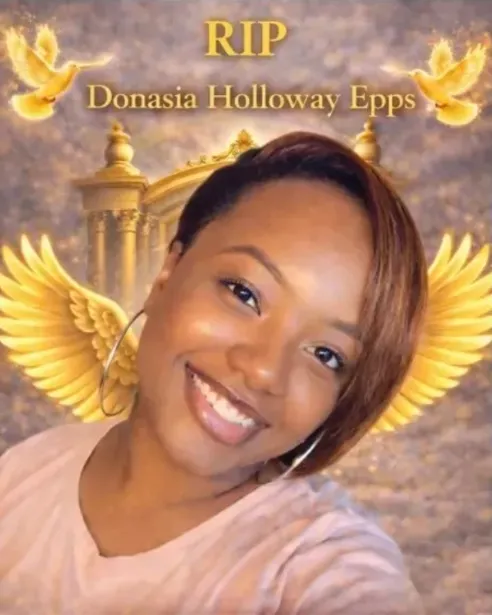
Danasia Holloway was just 21 years old when she did everything experts tell victims of abuse to do. She left.
She reported the abuse.
She secured a no-contact order.
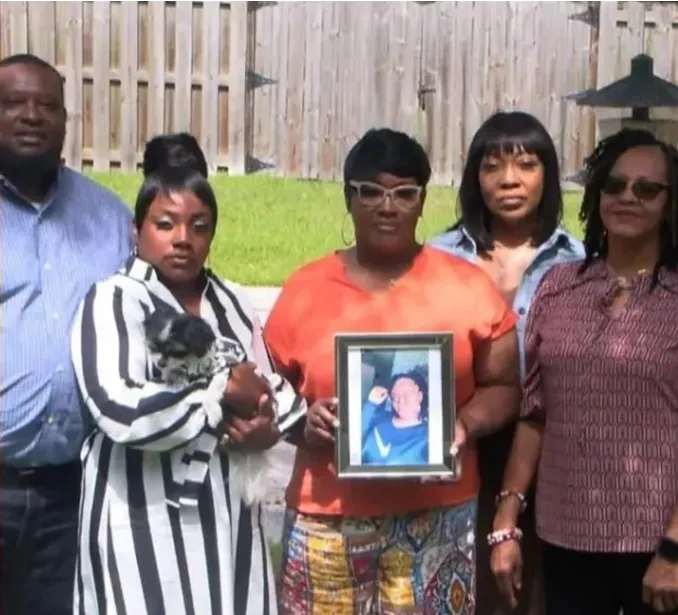
She took every step she could to protect herself, doing everything “right.”
But the system that was supposed to protect her failed her—and the price was her life.
Danasia had been relentlessly stalked by her abusive ex-boyfriend, Justin Carroll.
This was not a case of a broken relationship. It was a case of fear, control, and violence.
Danasia had repeatedly warned authorities about the danger he posed to her, but despite the documented abuse and her fear for her safety, Carroll was released on bail.
Despite the restraining orders, despite her attempts to take control of her situation, Carroll was free to move, free to follow, and free to wait.
For Danasia, this meant living in a constant state of fear, knowing that at any moment, her abuser could strike.
On May 22, 2021, her worst fears would become a brutal reality.
Danasia sat in her car on that fateful day, fully aware that her life was in danger.
She knew that Justin Carroll was nearby.
In an act of haunting bravery, Danasia opened Snapchat and recorded a video.
Her voice trembled, and her eyes were filled with dread as she documented her belief that Carroll was approaching, that she was in danger.
This wasn’t an attention-seeking post. It wasn’t a desperate plea for help.
It was a lifeline.
It was proof of the fear she lived with every single day.
It was her attempt to leave behind a record of what might happen to her, in case the worst came to pass.
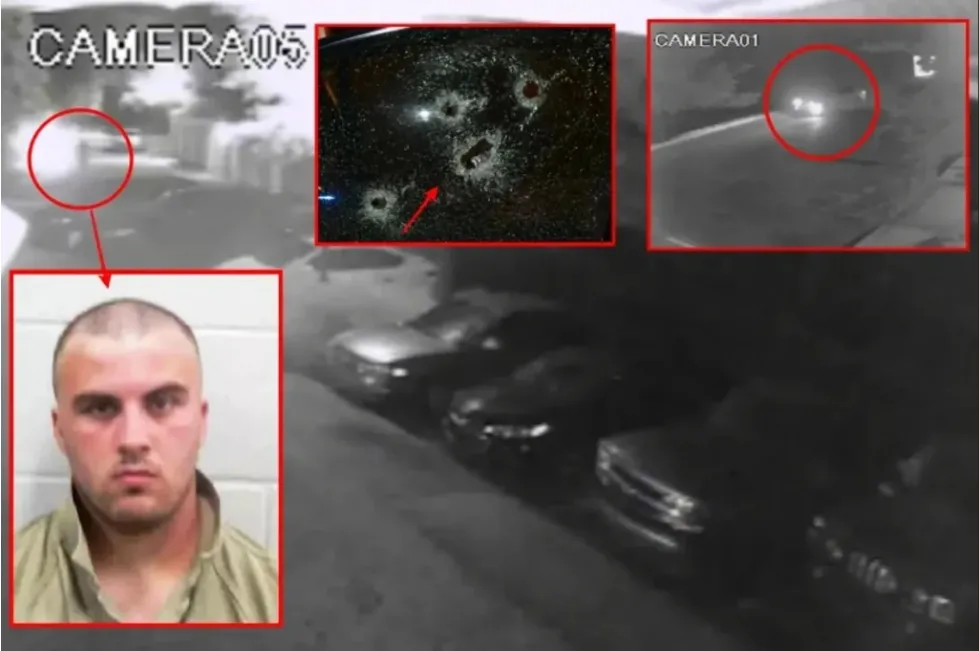
Minutes after posting that video, the unthinkable happened.
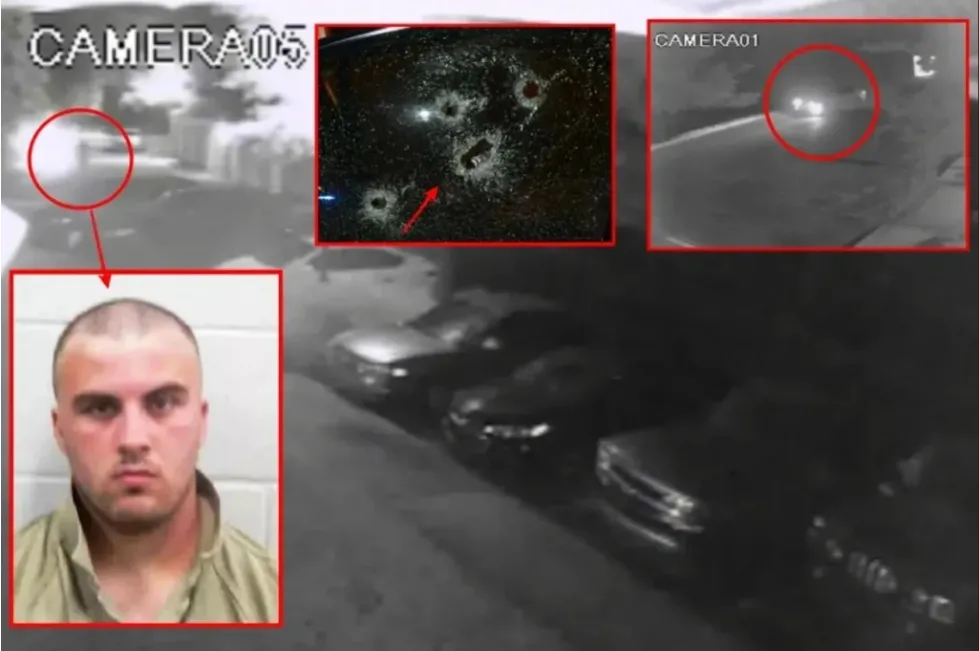
Justin Carroll approached Danasia’s car.
And he shot her to death.
She never got the chance to drive away.
Never got the chance to be heard in time.
In that moment, the system that should have kept her safe—her no-contact order, her attempts to report the abuse—fell apart.
The video Danasia recorded would later be key evidence.
It was a chilling account of her fear.
Her own words, spoken when she no longer had a voice, would serve as her final testimony in court.
In those few moments captured on a phone, she made clear what she already knew—the danger was real, and the system had failed to protect her.
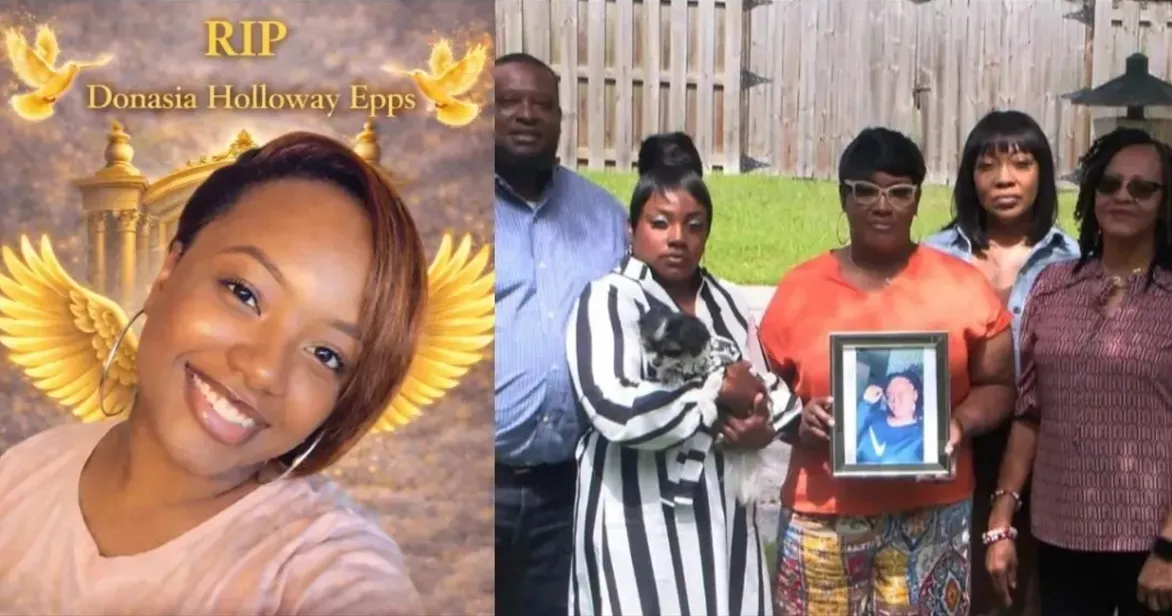
Justin Carroll was apprehended shortly after the shooting and was convicted of two counts of murder.
He was sentenced to 60 years in prison, a penalty meant to reflect the gravity of the crime he had committed.
Justice came, but it was a hollow victory.
For Danasia, there would be no second chances. No chance to see her life unfold.
No chance to grow, to live, to experience the future she had dreamed of.
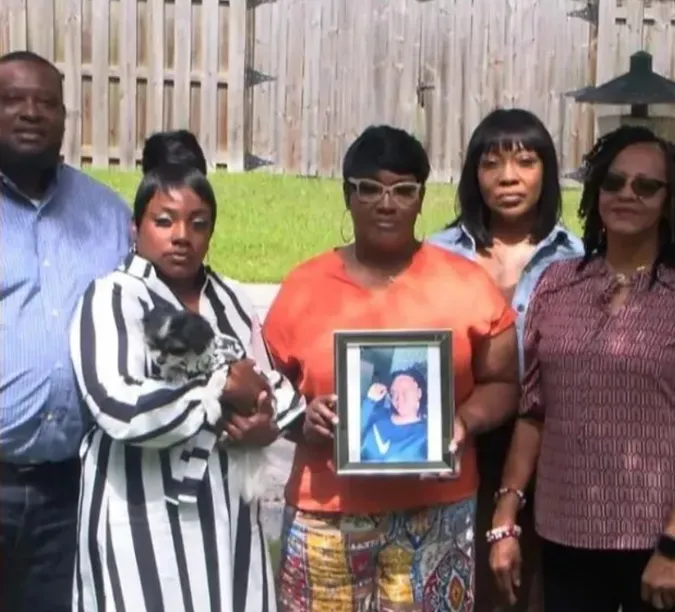
Her death stands as a devastating reminder of a painful truth:
Restraining orders are only paper.
Bail decisions have consequences.
Victims can do everything right—and still be left vulnerable.
Danasia Holloway did everything she was told to do.
She left an abusive relationship.
She reported the abuse.
She sought protection.
Yet, despite her efforts, her life was stolen from her in the most violent way possible.
She wasn’t reckless.
She wasn’t silent.
She wasn’t careless.
She was failed.
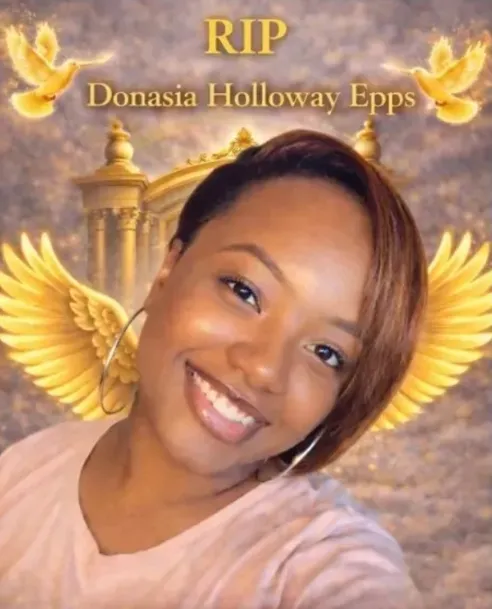
Danasia’s story is one of many in which the system designed to protect victims of abuse falls short.
Her death serves as a grim reminder of the limits of legal protections, especially when the system does not take the necessary steps to ensure that victims are fully safeguarded.
In Danasia’s case, her actions, her attempts to protect herself, ultimately could not shield her from the danger posed by a man who should never have been free.
In the days and weeks following her death, her family and friends wrestled with the gut-wrenching realization that their beloved daughter, sister, and friend had been lost because of a broken system.
But Danasia’s story also became a call to action.
It is a plea for greater accountability.
It is a plea for the voices of victims to be heard before tragedy strikes.
And it is a plea for the system to do more than offer empty promises of protection.
Danasia’s tragic fate sparked conversations about the need for change in how domestic violence cases are handled.
Too often, the warning signs are ignored.
Too often, the abuser is allowed to remain free.
Too often, the victims are left with no real protection.
In the aftermath of Danasia’s death, her family found themselves not only mourning her loss but also searching for answers.
They wanted justice, but they also wanted to know how this could have been prevented.
They wanted to ensure that no other woman, no other family, would have to suffer the same fate.
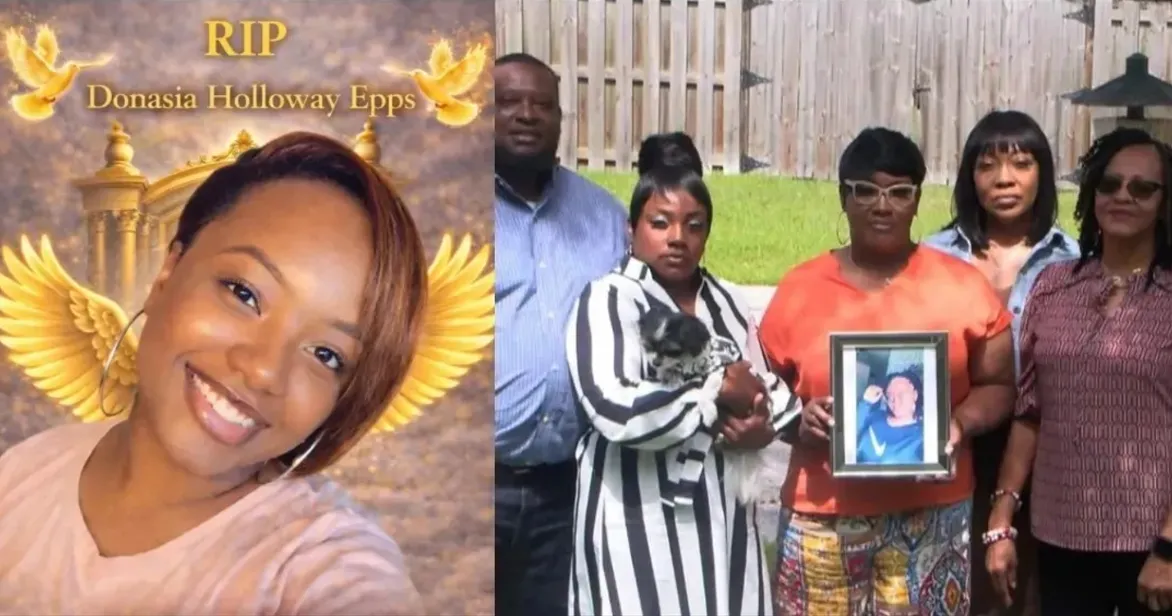
As part of their efforts, Danasia’s family worked with domestic violence advocates to raise awareness about the flaws in the system.
They spoke out about how important it is to listen to victims and to take immediate, effective action when they report abuse.
They worked to spread the message that a simple restraining order is not enough.
There must be real, proactive measures taken to protect those who are at risk.
The pain of Danasia’s loss will never fade for her family and loved ones.
Her absence will always be felt, and the void left behind will never be filled.
But in her death, her family found a renewed sense of purpose.
They are determined to ensure that her story does not fade into the background, that it continues to inspire change, and that it leads to a world where victims are no longer left vulnerable.
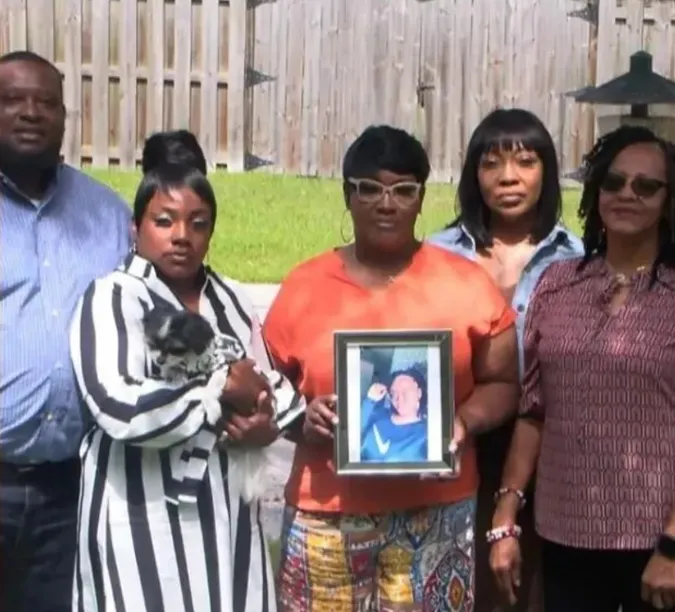
Rest in Peace, Danasia Holloway.
Your life mattered.
Your story will never be forgotten.
And we will fight to make sure that no one else is ever failed the way you were.