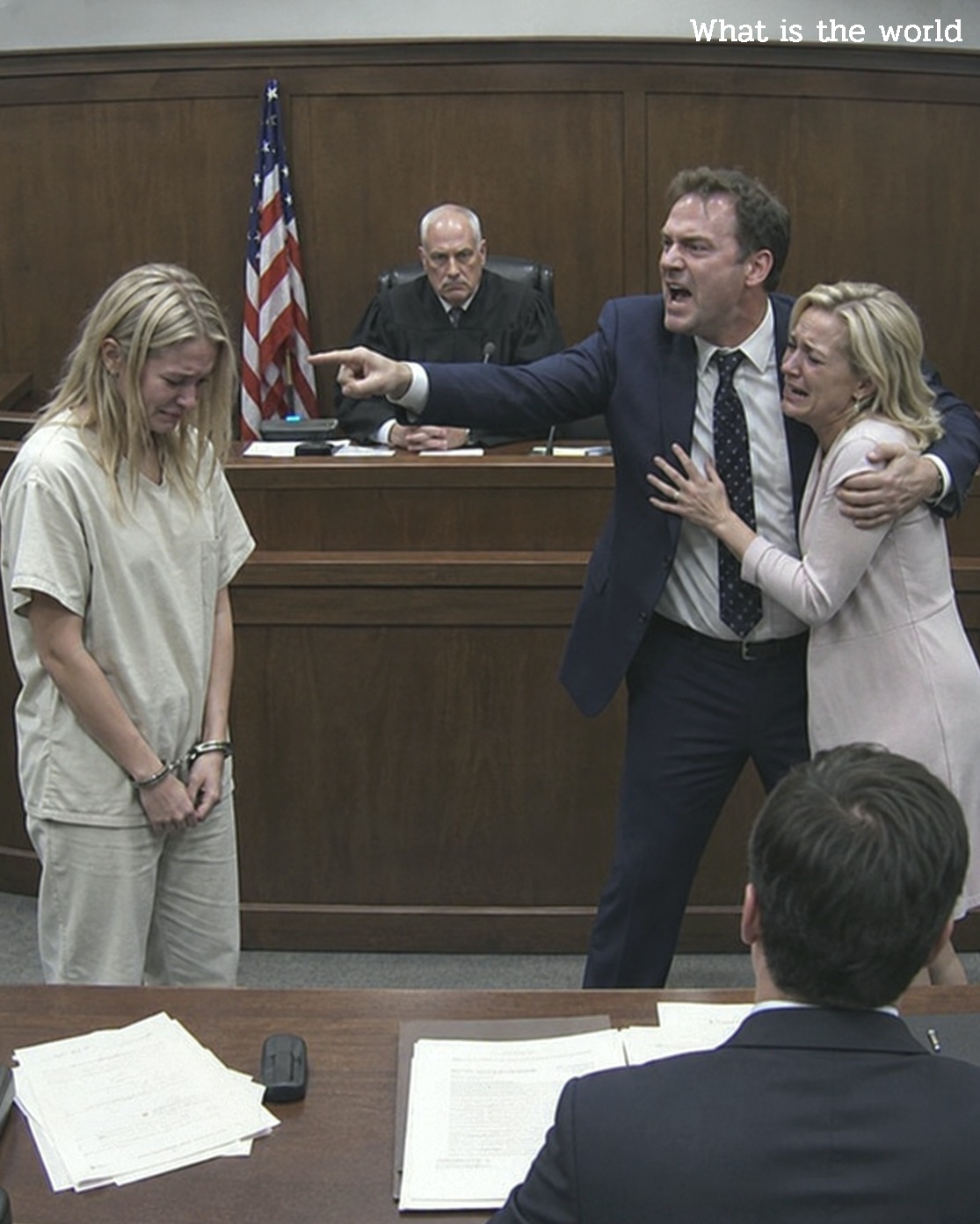
A significant judicial misconduct hearing is currently taking place in Boston, where a Massachusetts judge is facing disciplinary action over a controversial incident from 2018.
The case centers on allegations that the judge, while presiding at Newton District Court, allowed a defendant with a deportation history and an outstanding warrant to leave the courthouse without being detained by federal authorities.
The 2018 Courthouse Incident
According to court documents, the defendant, a Dominican national, had been previously deported and was barred from reentering the country. At the time of the incident, he was in court on drug possession charges and a fugitive warrant from another state. A federal immigration officer was at the courthouse prepared to detain him.
Instead, the defendant exited the building through a restricted area with the help of a court officer, reportedly after the judge allowed his attorney to escort him downstairs, away from the main courtroom exit. A key point of contention is a 52-second gap in the courtroom audio recording, during which the judge allegedly discussed the plan with court staff.
Allegations and Defense
Federal prosecutors originally charged the judge with obstruction but dropped the case in 2022 after she agreed to refer herself to the Massachusetts Commission on Judicial Conduct (CJC) and admitted to certain facts. The CJC has since continued with disciplinary proceedings, accusing the judge of:
Willful judicial misconduct
Conduct prejudicial to the administration of justice
The judge’s legal team argues that she did not commit any crime and has been unfairly portrayed in public narratives. They maintain that the defendant’s exit was not personally facilitated by the judge, and that much of the criticism has relied on mischaracterizations of the event.
Testimony and Witnesses
A key witness in the current hearing is the defense attorney who represented the defendant during the 2018 incident. He has testified as part of an immunity agreement and described the sequence of events that allegedly occurred during the brief audio blackout in court. His testimony includes the judge’s reported statement that she would not permit federal officers to enter the courtroom.
Broader Implications
While the case is unique in its details, it has drawn attention due to its implications for judicial ethics and the boundaries of discretion in courtroom decision-making. The hearing this week will determine whether the judge violated her professional obligations and judicial oath.