Elon Musk has reignited controversy after making blunt statements about gender identity on his social media platform, X.
The billionaire claimed that biology alone defines womanhood, a view that has intensified criticism of his public stance and his strained relationship with his transgender daughter.
Musk wrote that “if you have a womb, you are a woman,” a comment that quickly spread online. Critics say the remark excludes transgender women and reduces gender to anatomy.
Supporters argue he was stating a biological definition of sex. Within hours, the post drew millions of views and thousands of replies, highlighting how divisive the issue remains in the United States.
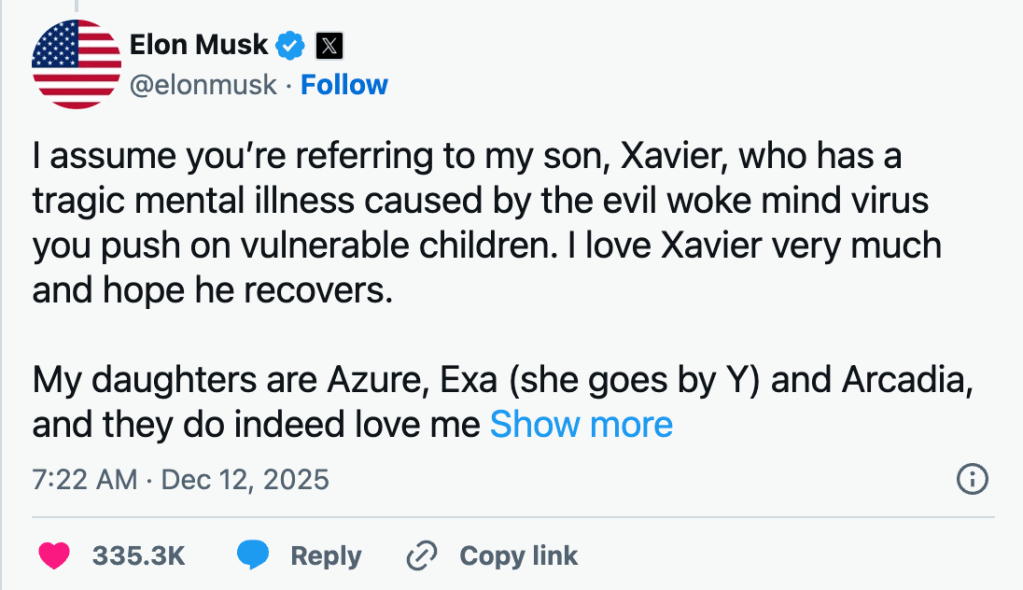
The statement also revived scrutiny of Musk’s past comments about his transgender daughter, Vivian Jenna Wilson.
In recent exchanges, Musk referred to her as his “son” and described her transition as a “mental illness.” LGBTQ+ advocacy groups widely condemned the language, calling it harmful and stigmatizing.
Family Tensions Return to the Spotlight
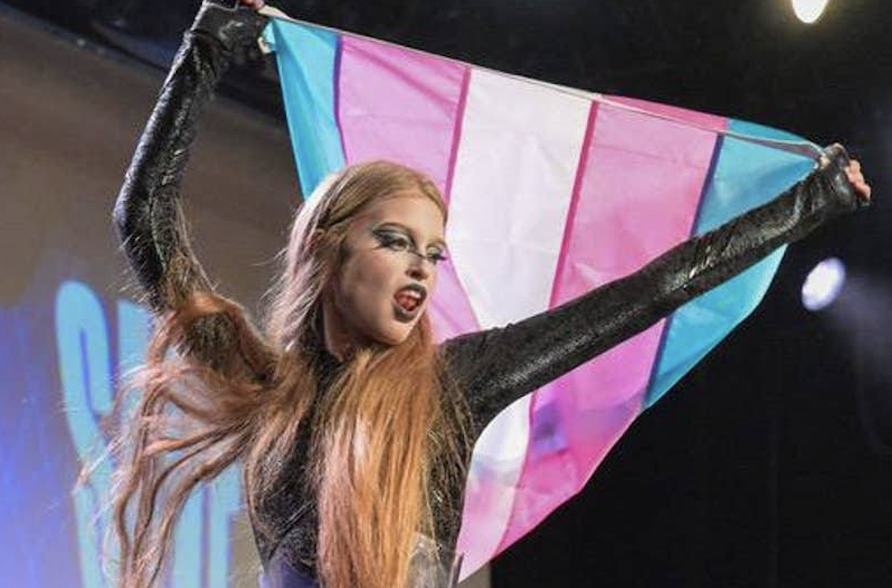
Vivian Jenna Wilson, born in 2004 to Musk and his first wife, author Justine Wilson, came out as transgender several years ago.
In 2022, she legally changed her name and gender marker. She also asked to remove Musk’s surname, stating she wanted no connection to him.
Since then, the relationship has remained publicly strained. Vivian has spoken about feeling unsupported during her transition.
Musk, meanwhile, has criticized transgender healthcare for minors and what he calls “woke ideology.”
The tension resurfaced after an online exchange involving California Governor Gavin Newsom. Newsom’s office referenced Musk’s daughter in a post, prompting Musk to repeat his earlier claims.
The back-and-forth drew attention from politicians, commentators, and activists, turning a personal dispute into a political flashpoint.
LGBTQ+ organizations responded by pushing back against Musk’s framing. They stressed that major medical bodies, including the American Psychiatric Association, do not classify being transgender as a mental illness.
Advocacy groups warned that Musk’s language could reinforce misinformation and deepen stigma.
Political Impact and a Broader Culture War
Musk’s comments arrive as gender identity remains a central issue in US politics. Several states have passed or proposed laws affecting transgender healthcare, sports participation, and access to public spaces. In that climate, Musk’s influence carries significant weight.
As the owner of X and the CEO of Tesla and SpaceX, Musk commands a massive audience. His posts often blur personal opinion with cultural and political commentary.
Supporters praise him for challenging mainstream views and defending free speech. Critics accuse him of using his platform to legitimize exclusionary rhetoric.
Reactions to his latest remarks followed familiar lines. Some users agreed with Musk and framed his comments as a defense of biology and science.
Others said he ignored the lived realities of transgender people and used his power irresponsibly.
Despite repeated calls for more careful language, Musk has shown little sign of retreating.
Instead, the episode has cemented his role at the center of an ongoing national debate about gender identity, free speech, and the responsibilities that come with immense public influence.
Featured image credit: Vivian Wilson/instagram & Gage Skidmore