He was once the smiling boy who seemed to live on every magazine cover — the kind of face that made families tune in each week through the 1980s. To the world, he looked confident, happy, and destined for stardom. But behind that picture-perfect image was a young actor quietly struggling to understand who he was and what kind of life he wanted.
Born in 1974, he stepped into Hollywood before most kids his age were allowed to cross the street alone. At eight years old, he landed his first major role on St. Elsewhere, playing an autistic child. His mother helped him prepare by explaining how children with autism often live in worlds of their own. “And I understood that,” he later recalled. “I would sit there and have this whole world going on in my head.” That imagination, that sensitivity, became his early gift — and his early burden.
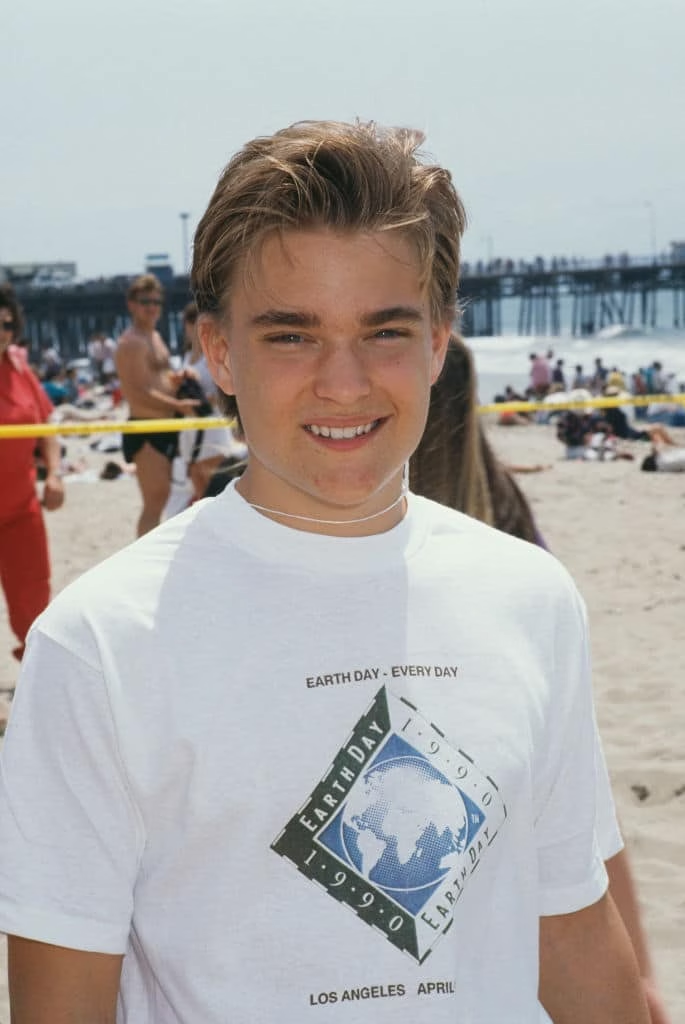
Soon, he was everywhere: starring in Our House, My Two Dads, and dozens of TV movies. He was working while other kids were learning how to ride bikes and go to school dances. The audience saw a confident teen idol; inside, he was still a kid playing pretend, trying to make sense of it all. “People were making a lot of money,” he later said. “And I didn’t want to do it anymore.”
By sixteen, he had become a brand — carefully packaged, styled, and publicized. Yet all the attention only deepened his confusion. The charming boy on screen felt like a stranger. “He was very well put together,” he once said of his public image, “and I wanted to get to know him.” So, in an act of quiet rebellion, he walked away from Hollywood to experience something real.
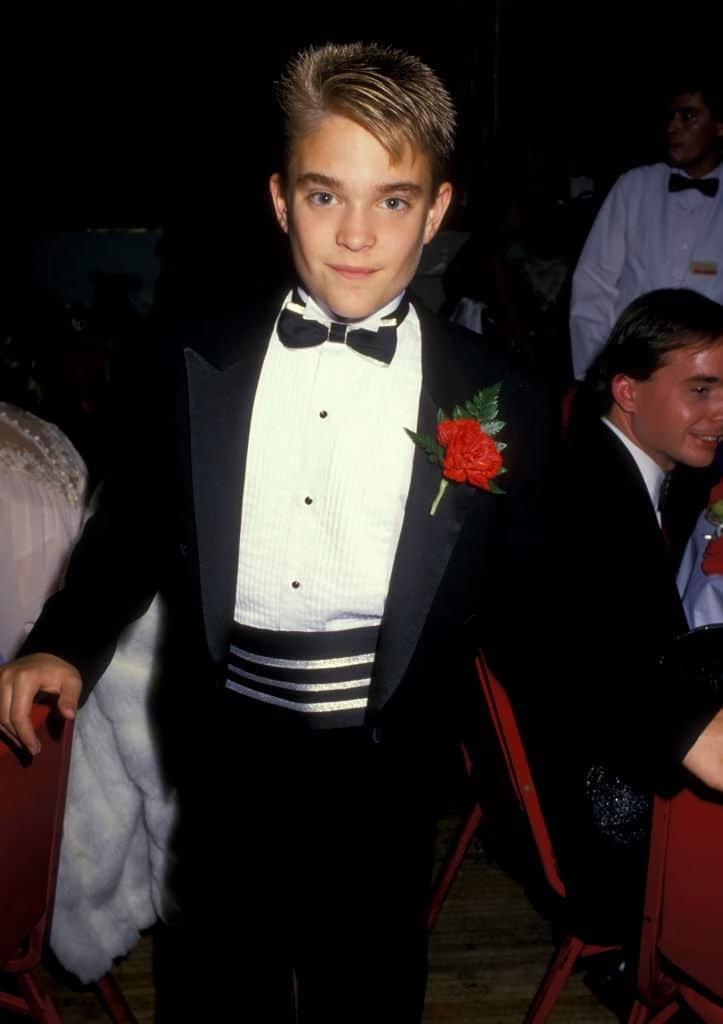
He enrolled in high school, joined the drama club, and found a new sense of belonging among “the rejects, the gay kids, the very uncool.” Theater felt different — honest, human, and freeing. But away from the cameras, another battle was building. Raised in a devout Catholic home, he carried both faith and guilt into adulthood. The pressures of fame and identity gave way to addiction. “At the end of the day, I was alone, and I couldn’t stop drinking,” he admitted. When he finally hit rock bottom, sitting alone in his Malibu condo, a friend’s decision to walk away became his turning point.
He entered recovery, determined to rebuild his life — and then, at 21, while starring in Dr. Quinn, Medicine Woman, everything changed again. In 1996, a tabloid published photos of him kissing another man. The pictures, sold by someone close to the couple, spread across headlines. “I was scared,” he said later. “Just scared.” He refused to lie or issue denials. “There were people who already knew,” he explained, “but now everyone did.”
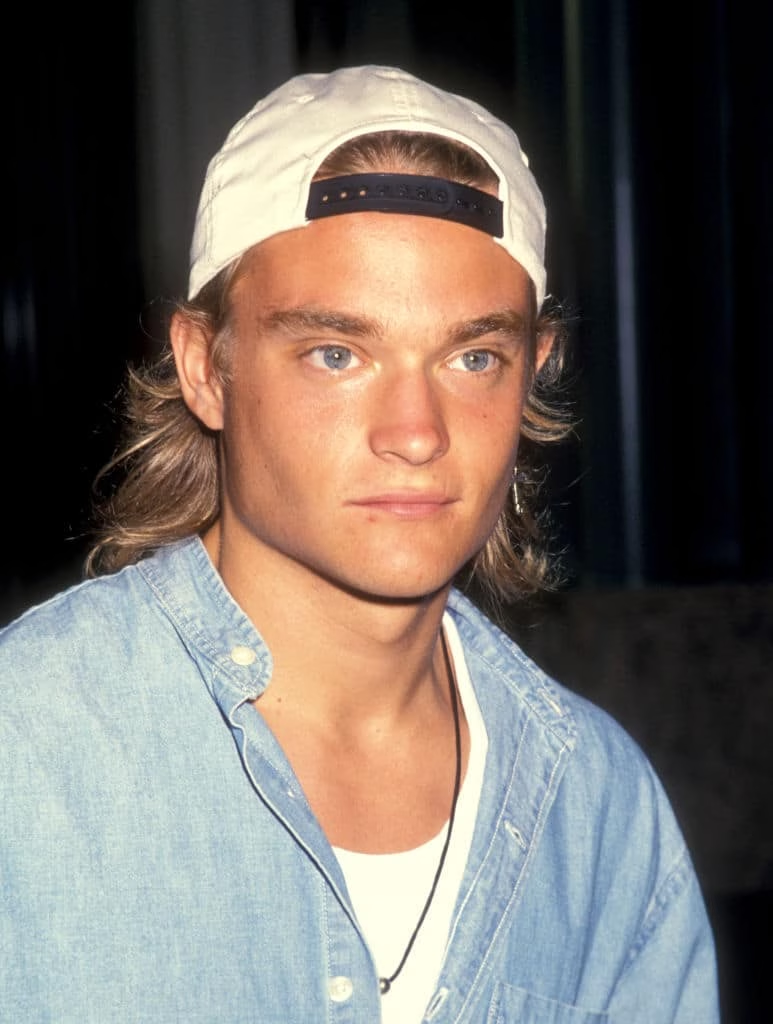
The fallout was immediate. His father couldn’t look him in the eye, and his mother, through tears, confessed she’d just assumed he was too cute not to have a girlfriend. But while Hollywood doors slammed shut, letters began to arrive — from young men thanking him for being visible. For the first time, he wrote back, one by one. “It helped me,” he said. “At the end of the day, it’s love. I’ll take it — whatever it looks like.”
Still, the cost was high. Work dried up, and for years, he struggled to rebuild. “I couldn’t get an audition for a pilot after that,” he admitted. But he kept going. Healing became his mission, and eventually, he found a new purpose.
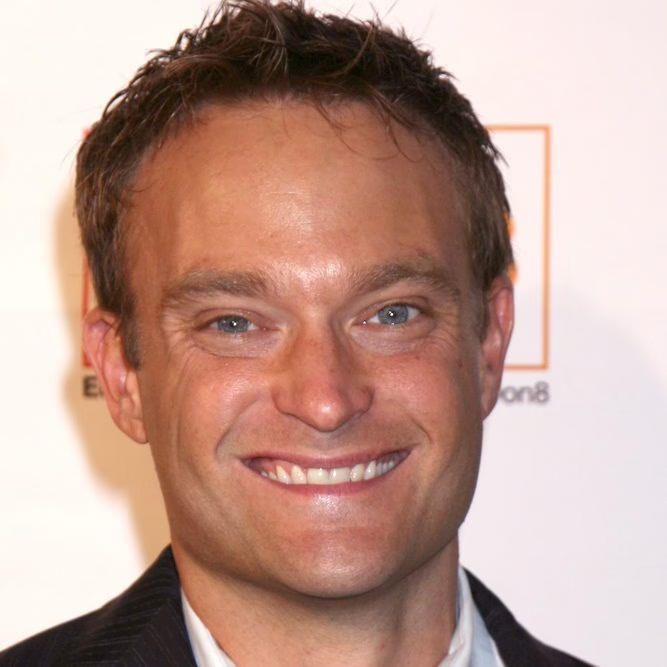
In 2015, he left Hollywood for good — not in defeat, but with a sense of clarity. He went back to school, earned a doctorate in clinical psychology, and opened his own practice, Confluence Psychotherapy — a name symbolizing two rivers joining into something stronger. “My greatest hope,” he said, “is that when we die, we experience God and let go of all judgment and fear.”
Today, he lives a quieter life. He counsels others, walks his dog, spends time in nature, and advocates for the LGBTQ+ community. He often speaks about gratitude — for survival, for truth, and for the peace he finally found after decades of searching
The boy once known as America’s sweetheart grew into a man who chose honesty over image and healing over fame. His name is Chad Allen — a former teen idol who found his real calling not under the lights of Hollywood, but in helping others find their way out of the dark.