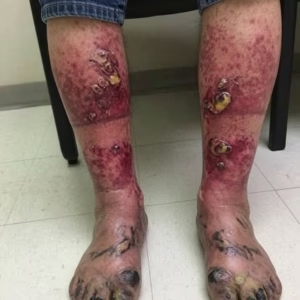
Varicose veins are enlarged, twisted, and often bluish veins that typically appear on the legs and feet. They result from malfunctioning valves within the veins that impair proper blood flow, causing blood to pool and veins to stretch. These veins are usually visible beneath the skin and may cause discomfort or cosmetic concern.
According to the National Institutes of Health (NIH), varicose veins affect an estimated 20% of adults, with women more frequently affected than men due to hormonal factors and pregnancy-related changes.
Causes of Varicose Veins
Varicose veins are primarily caused by chronic venous insufficiency, a condition where the valves in the leg veins fail to function correctly. Healthy veins have one-way valves that keep blood flowing toward the heart. When these valves weaken or become damaged, blood can flow backward and accumulate in the veins.
Buy vitamins and supplements
Common Risk Factors
Prolonged standing or sitting: Occupations that involve long periods of immobility can impair blood circulation.
Age: As people age, vein walls and valves can weaken, increasing the risk of venous insufficiency.
Pregnancy: Hormonal changes and increased abdominal pressure during pregnancy can raise the risk.
Genetics: A family history of varicose veins can significantly increase one’s likelihood of developing the condition.
Obesity: Excess body weight increases pressure on the veins, especially in the lower limbs.
Hormonal changes: Particularly during menopause or while using hormonal medications such as birth control pills.
Symptoms of Varicose Veins
While varicose veins are often visible, they may or may not cause physical discomfort. Symptoms can range from mild to severe and tend to worsen after prolonged standing or sitting.
Common Signs and Symptoms
Bulging or twisted blue or purple veins near the skin’s surface
Heaviness or aching in the legs
Swelling in the lower legs and ankles
Muscle cramps or throbbing
Itching around the affected veins
Skin discoloration or hardening, especially near the ankles
In more advanced stages, complications can include:
Venous ulcers (open sores usually near the ankles)
Superficial thrombophlebitis (inflammation and clotting in superficial veins)
Spontaneous bleeding from enlarged veins due to minor trauma
Diagnosis
Varicose veins are generally diagnosed through a physical examination by a healthcare provider, often followed by non-invasive imaging to assess vein function and structure.
Diagnostic Tools
Duplex Ultrasound: This is the most common test and uses sound waves to assess the direction of blood flow and detect vein valve problems.
Doppler Ultrasound: Evaluates blood movement and valve efficiency within the leg veins.
Venography (rarely used): A special dye is injected into the veins and X-rays are taken to provide a detailed image of the vein structure.
Treatment Options
Treatment for varicose veins depends on the severity of symptoms and cosmetic concerns. In many cases, conservative management is effective, especially for mild symptoms. For more advanced cases, minimally invasive or surgical procedures may be recommended.
Conservative Treatments
Compression stockings: Medical-grade stockings help support veins and promote blood flow.
Leg elevation: Elevating the legs above heart level can reduce swelling and discomfort.
Physical activity: Walking and calf exercises help improve circulation.
Weight management: Maintaining a healthy weight reduces pressure on the veins.
Avoid prolonged standing or sitting: Taking breaks to move can reduce venous pressure.
Medical and Surgical Interventions
Sclerotherapy
A medical solution is injected into small or medium-sized veins, causing them to scar and close. The treated veins typically fade within a few weeks.
Endovenous laser treatment (EVLT) or Radiofrequency ablation (RFA)
Minimally invasive procedures that use heat to seal the affected veins. These are performed under local anesthesia and usually have a short recovery period.
Ambulatory phlebectomy
A procedure in which small varicose veins are removed through tiny skin punctures. This is done under local anesthesia and does not require stitches.
Vein ligation and stripping
Surgical removal of larger veins. It’s less commonly used today due to the availability of less invasive methods.
Prevention Tips
While not all varicose veins can be prevented, particularly if there is a genetic predisposition, certain lifestyle choices can help minimize the risk or progression of the condition.
Buy vitamins and supplements
Tips for Prevention
Stay physically active: Regular exercise, particularly walking, strengthens the leg muscles and promotes healthy circulation.
Avoid tight clothing: Clothing that constricts the waist, groin, or legs may restrict blood flow.
Wear flat or low-heeled shoes: High heels can hinder proper calf muscle movement, which assists with venous return.
Elevate legs when resting: Use a pillow or footrest to support leg elevation.
Limit extended periods of sitting or standing: Change positions frequently and take walking breaks during sedentary tasks.
When to See a Specialist
If you or someone you know is experiencing persistent discomfort, visible swelling, or changes in skin color or texture near the veins, it is recommended to consult a vascular specialist or dermatologist. Early evaluation can help prevent complications and identify the most appropriate treatment.
Healthcare providers specializing in vascular health can offer both diagnostic evaluations and personalized treatment plans to ensure optimal outcomes.
Buy vitamins and supplements
Conclusion
Varicose veins are a common yet often misunderstood condition that affects millions of people worldwide. While they are frequently a cosmetic concern, they can also lead to more serious complications if left untreated. Fortunately, there are effective non-surgical and minimally invasive treatments available.
With early diagnosis, lifestyle adjustments, and proper medical care, most individuals can manage or even resolve varicose vein symptoms. If you recognize signs such as bulging veins, leg heaviness, or discomfort, it’s wise to consult a healthcare professional to explore your options.