Cassava may seem like one of the simplest foods in the kitchen. In many homes around the world, it is boiled for dinner, fried into snacks, baked into desserts, or processed into tapioca and flour. Its mild flavor and filling texture make it a staple in countless traditional meals. But despite how common it is, cassava is not a root vegetable that should be treated casually. Continue Reading ⬇️
A lot of people assume cassava can be prepared just like potatoes or sweet potatoes. That assumption often leads to uncomfortable consequences. When cassava is eaten the wrong way, it can leave people dealing with bloating, stomach cramps, nausea, gas, or even diarrhea. In some cases, poor preparation can create more serious health concerns.
One of the biggest mistakes people make is eating cassava raw or undercooked. Unlike many other vegetables, cassava should never be eaten straight from the peel. Raw cassava naturally contains compounds that need to be reduced through proper preparation and cooking. If the root is still hard, dry, or slightly bitter after boiling, it probably has not been cooked enough.
The safest way to prepare cassava is by peeling it thoroughly, washing it carefully, cutting it into pieces, and boiling or steaming it until completely soft. Proper cooking changes both the texture and the safety of the root. A soft, fully cooked cassava is far easier on the digestive system than one that remains firm in the center.
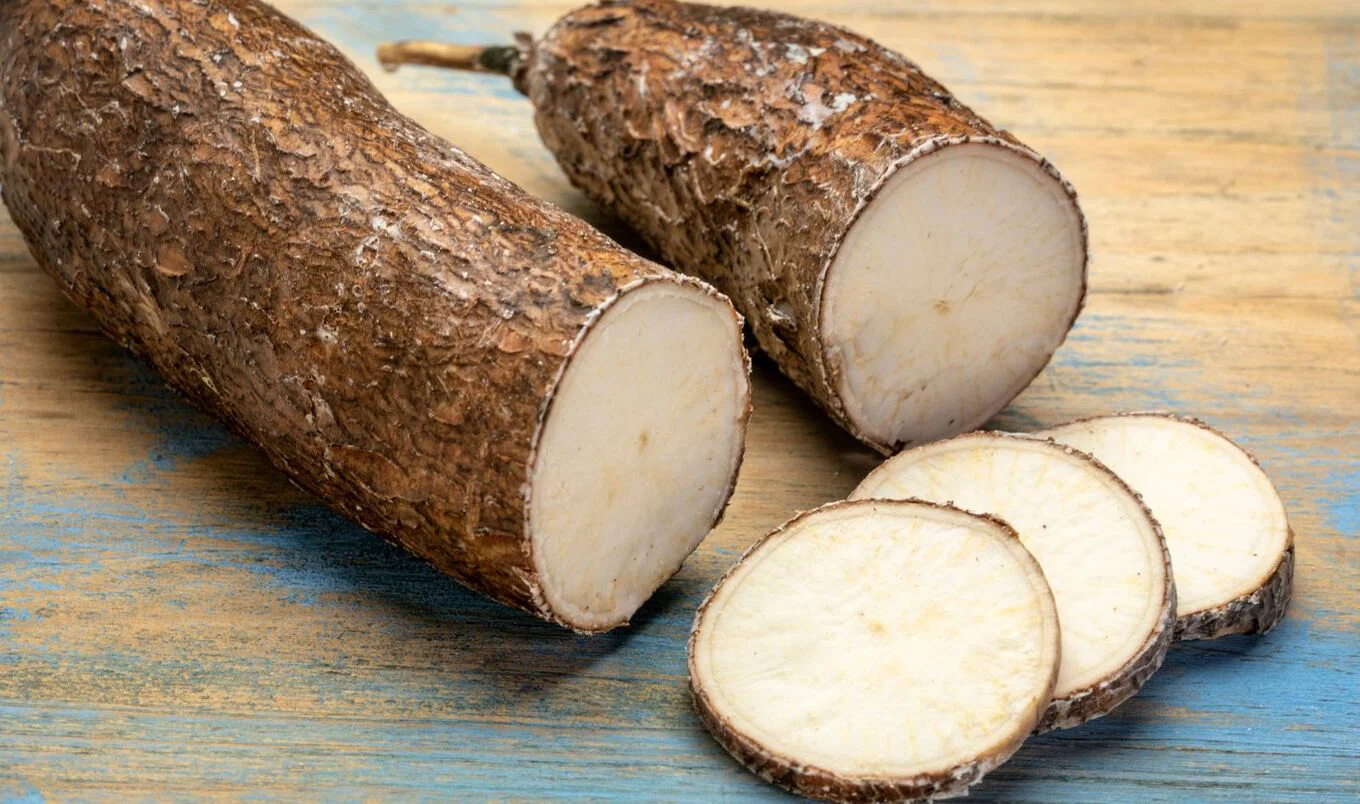
Another common problem begins before the cooking even starts. Cassava has a thick outer skin and a tough layer underneath that should be removed completely. Some people peel it too quickly and leave parts of the outer layer attached. That rough layer can affect the flavor, create bitterness, and make digestion more difficult.
Good preparation matters more than many people realize. Peeling the cassava fully and rinsing it well helps remove dirt, residue, and unpleasant taste. It also makes the final dish cleaner and smoother to eat.
Portion size can also become an issue. Cassava is packed with starch, which makes it extremely filling. While that can be satisfying, eating too much in one sitting may leave the stomach feeling heavy and uncomfortable. People who are not used to starchy meals often notice bloating or sluggish digestion after large portions.
Instead of eating cassava alone in oversized servings, many nutrition experts recommend balancing it with vegetables, soups, or protein-rich foods. Smaller portions tend to feel lighter while still providing enough energy and fullness.
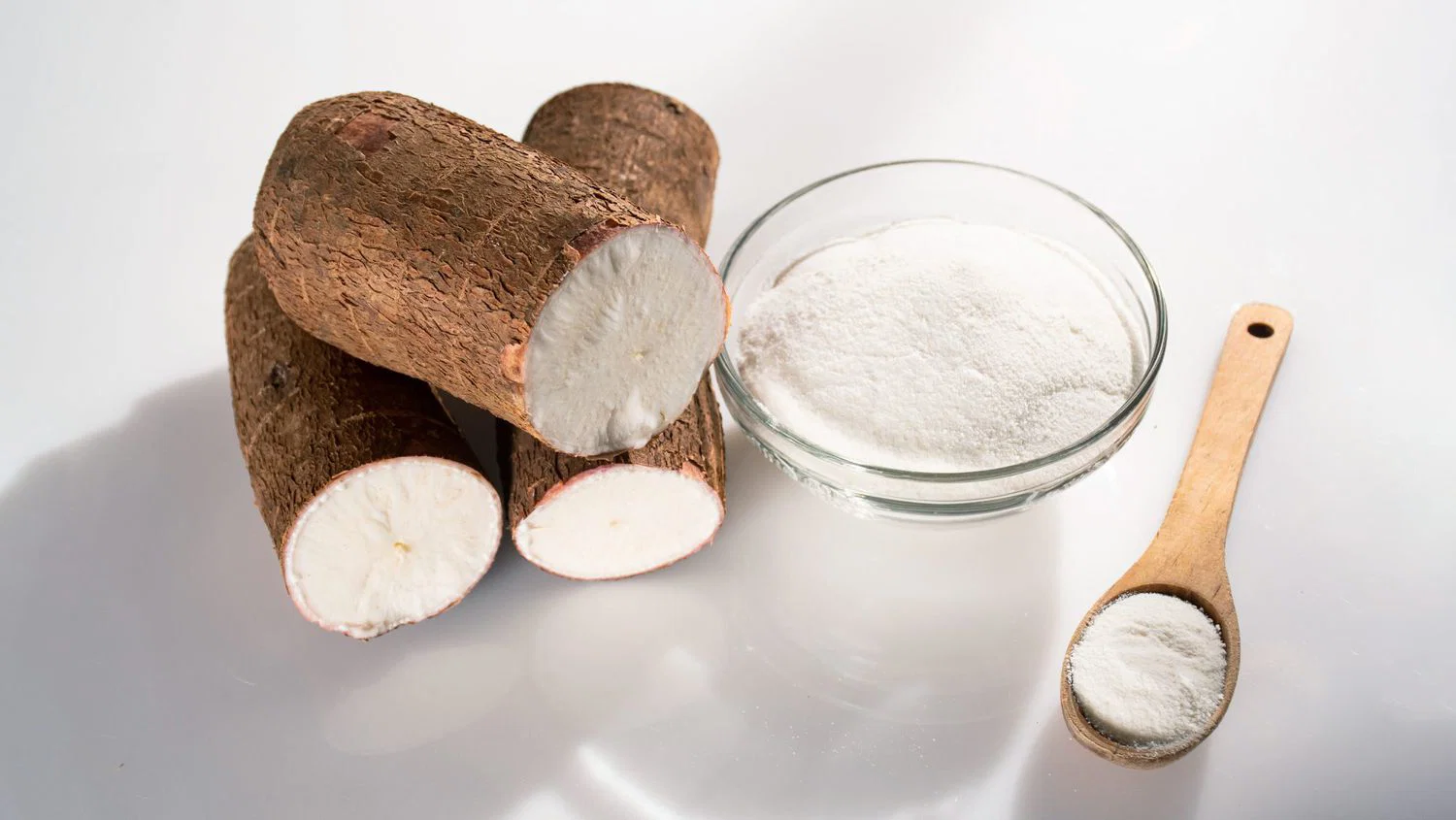
Taste can also offer an important warning sign. Cassava varieties are often described as sweet or bitter. Bitter cassava requires more careful preparation because it naturally contains higher levels of certain compounds that should be reduced before eating. If cooked cassava still tastes strongly bitter, continuing to eat it may not be a good idea.
Freshness matters too. When shopping for cassava, it is better to choose firm roots without mold, dark spots, or strong odors. Old or damaged cassava can spoil quickly and may upset digestion even after cooking.
Some people also make the mistake of reusing the water left after boiling cassava. Although it may seem wasteful to throw it away, the cooking water can contain substances released during the boiling process. Using fresh water or broth for soups and sauces is considered a safer and cleaner option.
Preparation styles can make a big difference as well. Fried cassava, sugary cassava desserts, and dishes loaded with coconut milk or oily sauces may taste delicious, but they can become very heavy on the stomach. Combining large portions of starch with rich ingredients sometimes increases the risk of bloating or indigestion.
For people with sensitive digestion, simple preparation often works best. Boiled or steamed cassava with light seasoning allows the natural flavor to stand out without overwhelming the stomach.
Timing matters too. Eating large portions of cassava late at night can leave some people feeling overly full before bed. Because cassava is dense and rich in starch, digestion may feel slower when lying down soon after eating it. Smaller evening portions or earlier meals may help reduce discomfort.
Cassava can absolutely be part of a balanced and satisfying diet when handled correctly. The key is respecting the preparation process. Peel it carefully, wash it thoroughly, cook it completely, and avoid overeating it in one sitting.
When prepared safely and eaten in moderation, cassava remains one of the world’s most versatile and comforting root vegetables. But simple mistakes in cooking, portion size, or preparation can quickly turn an everyday meal into an uncomfortable experience for the stomach.