Caleb’s response was measured. “Good. We’ll frame the truth clearly. First step—troop up the legal papers to assert your ownership. They put the burden of proof on you, but you’re ready for that. We’ll issue cease and desist letters to your family. And make sure all records are updated to show you are the sole owner.”
It was pragmatic advice, the kind that transforms hurt into action. I followed Caleb’s guidance meticulously. By Tuesday, I had drafted a certified letter to Madison and my mother, outlining the events and asserting that any further attempts to claim ownership or use the property without my consent would be met with swift legal action.
But it wasn’t just about reclaiming my space. It was about reclaiming my narrative. I spent hours pouring over the security footage from my home. The cameras, strategically placed, had captured everything. Every word, every sneer, every orchestrated moment of my humiliation was recorded. I saved the clips, knowing they might be invaluable.
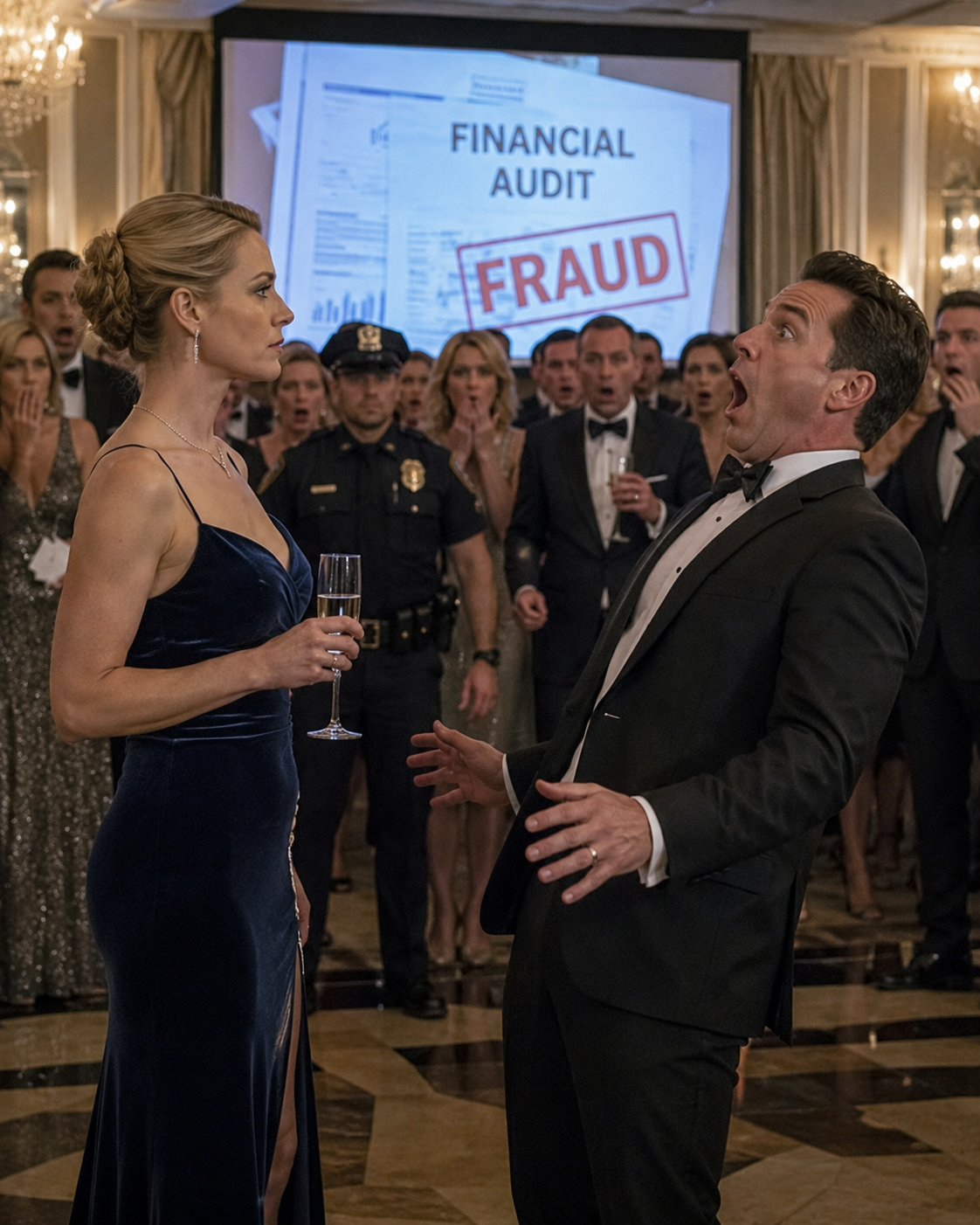
By Wednesday, I was ready to take a step further. A restraining order was perhaps extreme, but I wanted to ensure my rights were clear and unchallenged. I revisited the footage, making sure it was airtight evidence. Caleb arranged a meeting with the local precinct. The officers involved in the original call were present, visibly surprised when I walked in with Caleb and the paperwork.
I spoke evenly, outlining how their intervention had been manipulated by my family. The officer who had first approached me during the party watched the footage, his expression shifting from confusion to understanding. “I apologize, Ms. Bennett,” he said, sincerity threading his voice. “We acted on the information we had.”
“Thank you,” I replied. “I understand you were in a difficult position.”
By Thursday, I felt the tide turning. The letters I had sent were delivered, and Madison’s social media, usually a curated swirl of her perfect life, went quiet. I imagined her scrambling, trying to understand how her performance had unraveled.
Friday brought a new opportunity for confrontation. Madison called me, her voice a blend of anger and desperation. “Avery,” she started, but I cut her off.
“Madison, this is no longer a personal matter. It’s legal. My attorney will handle any further communication.”
Her silence hung heavy, the line a testament to a relationship fractured beyond repair.
Saturday came, and with it, a request from my mother to meet “just to talk.” I declined. I needed more than words; I needed actions, assurances that this kind of betrayal would never happen again.
Sunday arrived, marking a week since the party. I sat on my porch overlooking Lake Geneva, the air crisp and clear. The house felt like mine again, a sanctuary undisturbed by deceit.
As the sun set, I reflected on everything. My family had tried to rewrite my story, casting me as the villain. But the pen was back in my hand, and I was drafting my own version, one backed by truth and protected by law.
The journey wasn’t just about regaining property—it was about reclaiming my voice, my autonomy. And as I stared at the water, I knew I was ready for whatever came next.