The 2026 White House Correspondents’ Dinner was meant to follow a familiar script—formal, controlled, and carefully managed. But within hours, the narrative shifted in two unexpected ways: first with a security scare, and then with a viral debate over something far more ordinary—a dress worn by Jennifer Rauchet.
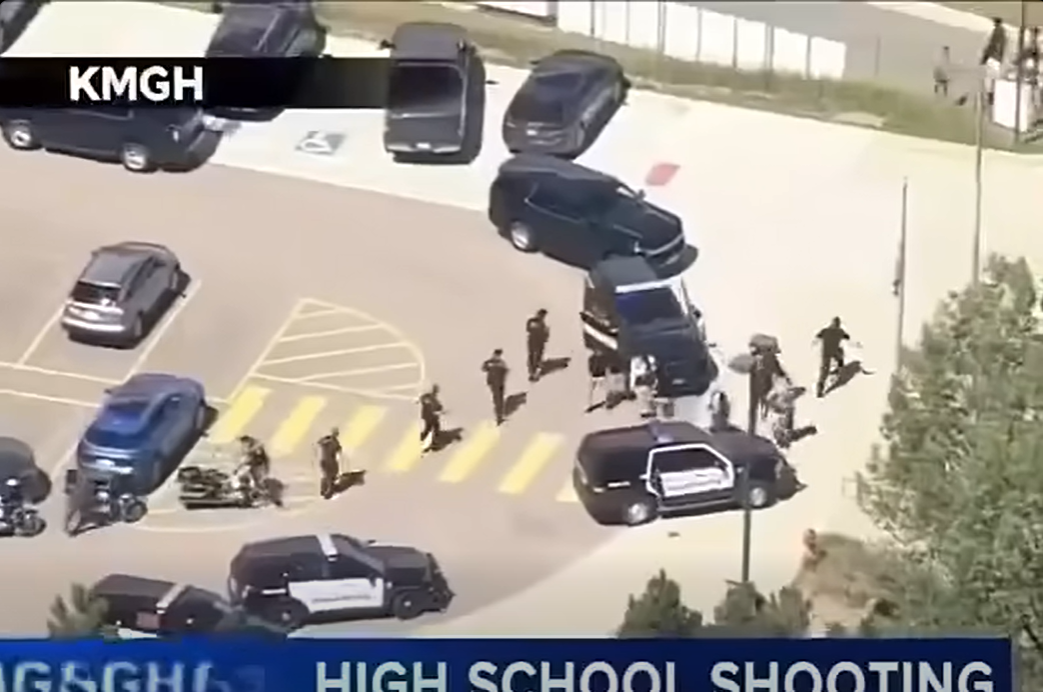
Held at the Washington Hilton, the event gathered top figures including Donald Trump and JD Vance. The evening began as expected, with polished appearances and red-carpet moments. Then reports of an armed suspect triggered a swift security response, briefly shifting attention to safety and disruption.
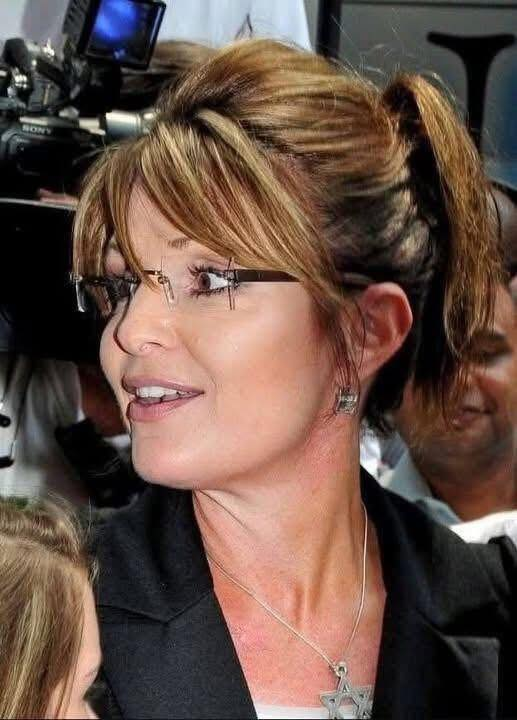
But as the situation stabilized, a different story took over. Photos of Rauchet circulated online, followed by a claim that her dress resembled one sold on Temu. A side-by-side comparison went viral, and within hours, the internet turned a simple outfit into a cultural flashpoint.
Critics argued that wearing a low-cost dress at such a high-profile event conflicted with expectations of status and presentation. Some even linked it to political messaging, questioning whether it aligned with “America First” ideals. Supporters pushed back just as strongly, pointing out that affordable fashion is common—and that judging someone for it felt out of touch.
The debate quickly expanded beyond Rauchet herself. It reignited discussions around fast fashion, accessibility, and the pressure placed on public figures to project wealth. What began as a question about a dress became a broader conversation about class, symbolism, and perception.
Timing amplified everything. The contrast between a serious security incident and a viral fashion debate highlighted how quickly public attention can shift. In today’s media landscape, a single image can redirect national focus within minutes.
In the end, the moment wasn’t really about the dress. It was about what people saw in it—status, contradiction, relatability, or criticism. And that says more about the audience than the outfit itself.