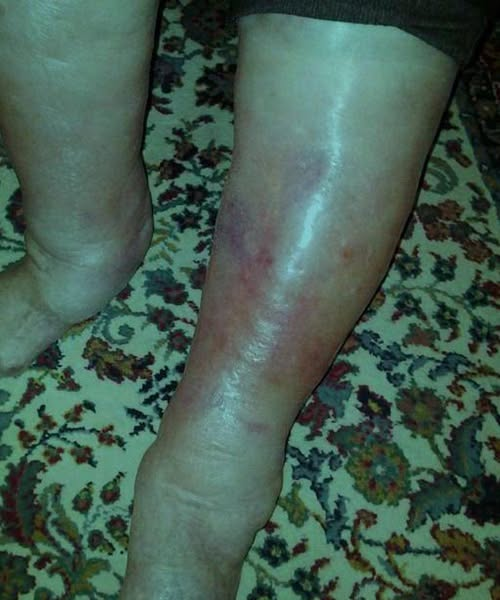
Your skin often notices trouble before the rest of the body fully understands what is happening.
Most rashes, itching, or redness turn out to be minor irritations — a reaction to heat, stress, new detergent, seasonal allergies, or dry skin. Because of that, people naturally learn to dismiss many skin symptoms as temporary annoyances…. Continue Reading ⬇️
Usually, that instinct is reasonable.
But sometimes the skin is not merely reacting locally. Sometimes it is warning that the immune system itself is escalating into something far more serious beneath the surface.
That distinction matters.
One of the most common examples is hives, medically known as urticaria. These raised, itchy welts can appear suddenly and spread rapidly across different areas of the body. They may fade in one location only to reappear somewhere else hours later. In many cases, hives remain uncomfortable but not dangerous.
The real concern begins when skin symptoms appear alongside problems involving breathing, swelling, or circulation.
A rash paired with throat tightness, difficulty swallowing, swelling of the lips or tongue, wheezing, dizziness, fainting, or sudden weakness should never be treated casually. These combinations can signal anaphylaxis — a severe allergic reaction capable of progressing rapidly within minutes.
One reason anaphylaxis becomes so dangerous is because it affects multiple systems simultaneously.
The immune system releases large amounts of inflammatory chemicals such as histamine. Blood vessels become leaky, causing swelling and sometimes dangerous drops in blood pressure. Airways can tighten, making breathing progressively harder. The body, in effect, overreacts to a perceived threat so aggressively that it begins harming itself.
Without timely treatment — often involving epinephrine — the situation can deteriorate quickly.
Triggers vary widely:
Certain foods such as peanuts, shellfish, eggs, or tree nuts
Medications including some antibiotics or pain relievers
Insect stings
Environmental exposures in sensitive individuals
What unsettles many people is that severe allergic reactions do not always follow a predictable pattern. Someone may experience mild reactions for years and then suddenly develop a much more dangerous response later. That unpredictability is why healthcare professionals urge caution whenever allergic symptoms involve breathing or circulation rather than skin alone.
At the same time, it is important not to let fear distort perspective entirely.
Not every itch is an emergency.
Not every rash signals catastrophe.
Wisdom usually lies in observing patterns calmly rather than reacting with panic or dismissal. Sudden facial swelling, rapidly spreading hives, tingling around the mouth, or a feeling that “something is wrong” physically deserves attention — especially if symptoms evolve quickly.
For people living with severe allergies, daily life often requires quiet vigilance others may not fully understand. Reading labels carefully, asking about ingredients at restaurants, carrying emergency medication, or informing friends and coworkers about allergies can sometimes feel socially uncomfortable.
Yet protecting your health is not overreacting.
It is responsibility.
There is also something humbling about how the body communicates distress. The skin, often treated primarily as cosmetic surface, functions as part of a much deeper protective system. Long before serious internal collapse occurs, the body frequently sends smaller signals asking to be noticed.
Paying attention to those signals is not paranoia.
It is awareness.
And awareness, practiced calmly and wisely, often gives people the precious time needed to respond before a dangerous situation becomes irreversible.
So while most rashes will remain harmless and temporary, some deserve respect rather than assumption. The goal is not to live anxiously watching every symptom, but to recognize when the body’s warnings move beyond inconvenience into something requiring urgent care.
Because sometimes the difference between a manageable reaction and a medical emergency is not dramatic knowledge —
but simply noticing early signs before they are ignored too long.