At first glance, it might look like something from a science lab—chewy, netted, and definitely not your typical cut of meat. But that curious-looking ingredient? That’s tripe, and it’s been adored across cultures for generations.
Found in stews, soups, and street food from Asia to Europe and Latin America, tripe proves that beauty in food isn’t always about the looks. It’s about the flavor, the culture, and the way something so humble can become a star on the plate.
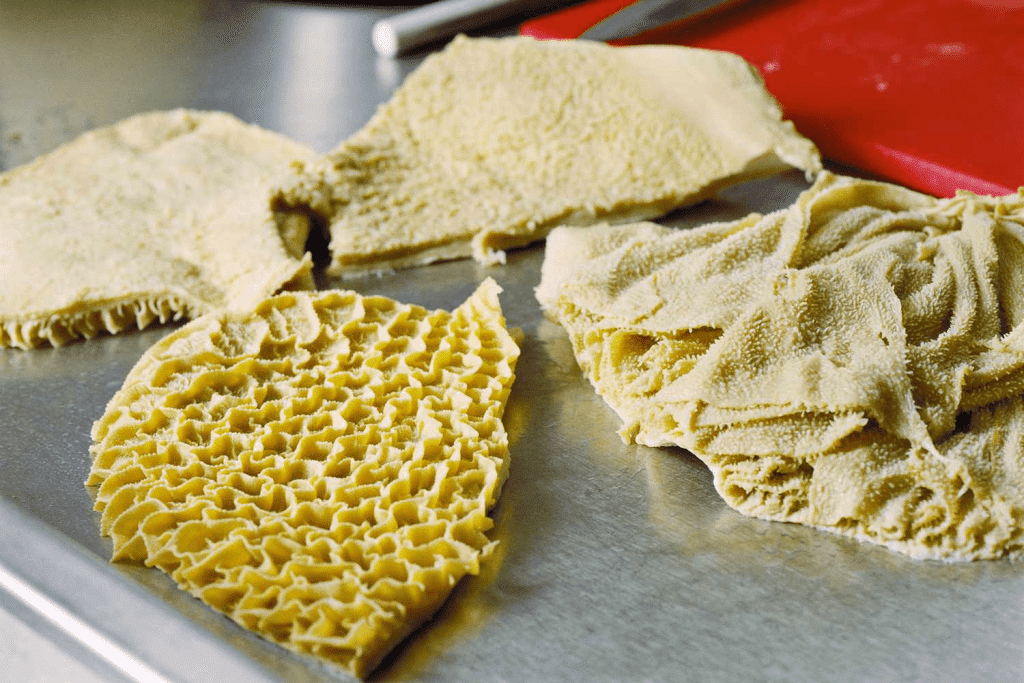
What Is Tripe, Exactly?
Tripe is the edible lining from the stomach of a ruminant animal, most often from cows. The most prized type, honeycomb tripe, comes from the second chamber of the cow’s stomach, known as the reticulum. Its signature hexagon-like pattern gives it both its name and its unique texture.
While its origin might make some hesitant, food lovers know better. When prepared right, tripe is deliciously tender, slightly chewy, and full of potential.
Video : Heart. Royal recipe…
Why Tripe Deserves a Second Look
Here’s the truth: tripe doesn’t have a strong flavor on its own. That’s what makes it brilliant. Like tofu or eggplant, it soaks up the ingredients around it and transforms into something savory and rich.
But there’s a catch—it needs to be cleaned properly. Raw tripe has a strong scent and needs a thorough rinse and blanching. Once that’s done, slow-cooking it in broths, sauces, or spices turns it into something hearty and flavorful.
Tripe is the culinary underdog that always comes through when given the time and attention it deserves.
Vietnam’s Pho: Where Tripe Finds Its Soul
In Vietnam, tripe is a beloved ingredient in the iconic national dish: pho. While many people lean toward rare beef or meatballs, real pho lovers appreciate the extra texture and depth tripe brings.
Thinly sliced and simmered in beef bone broth filled with spices like cinnamon, star anise, and ginger, the tripe becomes flavorful and delicate. It pairs beautifully with fresh herbs, lime, and a dip in hoisin or chili sauce.
For many Vietnamese, tripe isn’t a novelty—it’s tradition, comfort, and culture in one spoonful.
Mexico’s Menudo: Spicy, Soulful, and Legendary
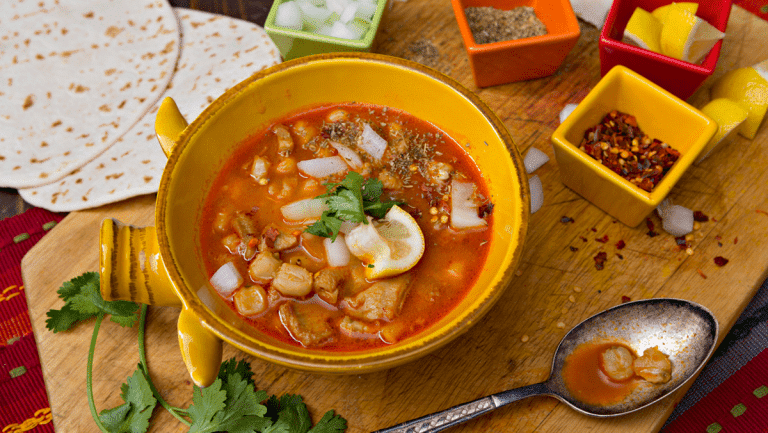
In Mexico, tripe becomes the heart of menudo, a spicy red soup that’s both a comfort food and a hangover cure.
Menudo is made with honeycomb tripe, hominy, red chilies, and seasonings, simmered slowly until rich and deep in flavor. Topped with lime, chopped onion, and cilantro, it’s usually served with warm tortillas on the side.
This isn’t just soup. It’s a Sunday ritual. A dish that families pass down, one pot at a time.
Italy’s Trippa alla Romana: Rustic and Rich
Video : How To Clean Beef Honeycomb Tripe (Babat)
In Rome, tripe is celebrated in a dish called Trippa alla Romana. It’s cooked low and slow in tomato sauce with garlic, onions, white wine, and a surprising ingredient—mint.
The mint adds freshness that cuts through the richness of the dish. A dusting of Pecorino Romano finishes it off, making the dish taste hearty yet refined.
In Italy, this isn’t unusual. It’s a key part of cucina povera—a cooking tradition that turns humble ingredients into pure comfort.
Spain’s Callos: A Bold and Meaty Classic
Spain adds its own twist with callos, a slow-cooked stew of tripe, chickpeas, and chorizo. Sometimes blood sausage joins the party, bringing extra depth and spice.
This dish is especially popular in Madrid and throughout the Iberian Peninsula during colder months. It’s smoky, satisfying, and packed with layers of flavor that only hours of simmering can create.
Callos proves tripe can be indulgent, rich, and far from boring.
Why the World Still Loves Tripe
So, what’s the secret behind tripe’s global popularity?
For starters, it’s affordable. It’s a way to honor the whole animal and reduce waste. But more than that, tripe is nutritious, high in protein, low in fat, and filled with essential minerals like zinc and vitamin B12.
Culturally, it’s food with history. Every region that loves tripe has a story attached to it. It’s not just something to eat—it’s something that connects generations, memories, and identity.
Conclusion: From Humble to Hero
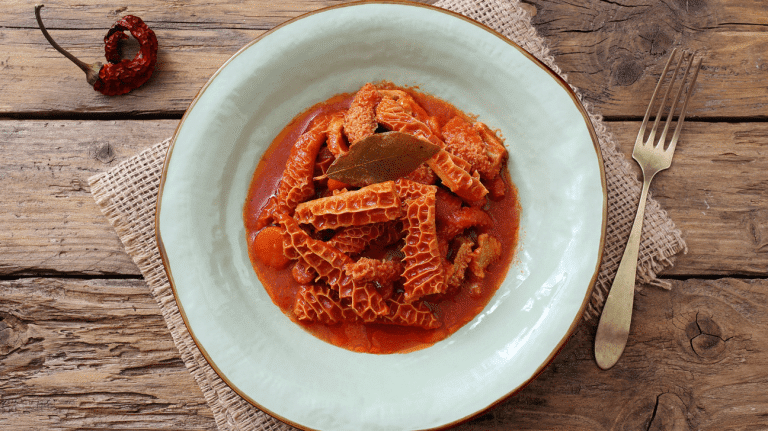
Honeycomb tripe may not win any beauty contests, but it’s a powerhouse in the kitchen. Whether it’s gently floating in pho, sizzling in spicy menudo, or swimming in a bold Spanish stew, tripe brings flavor, texture, and tradition to every dish it touches.
If you’ve never tried it, maybe now’s the time. One bite might just change your mind—and your menu