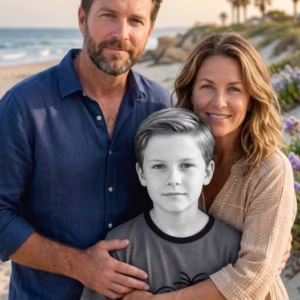
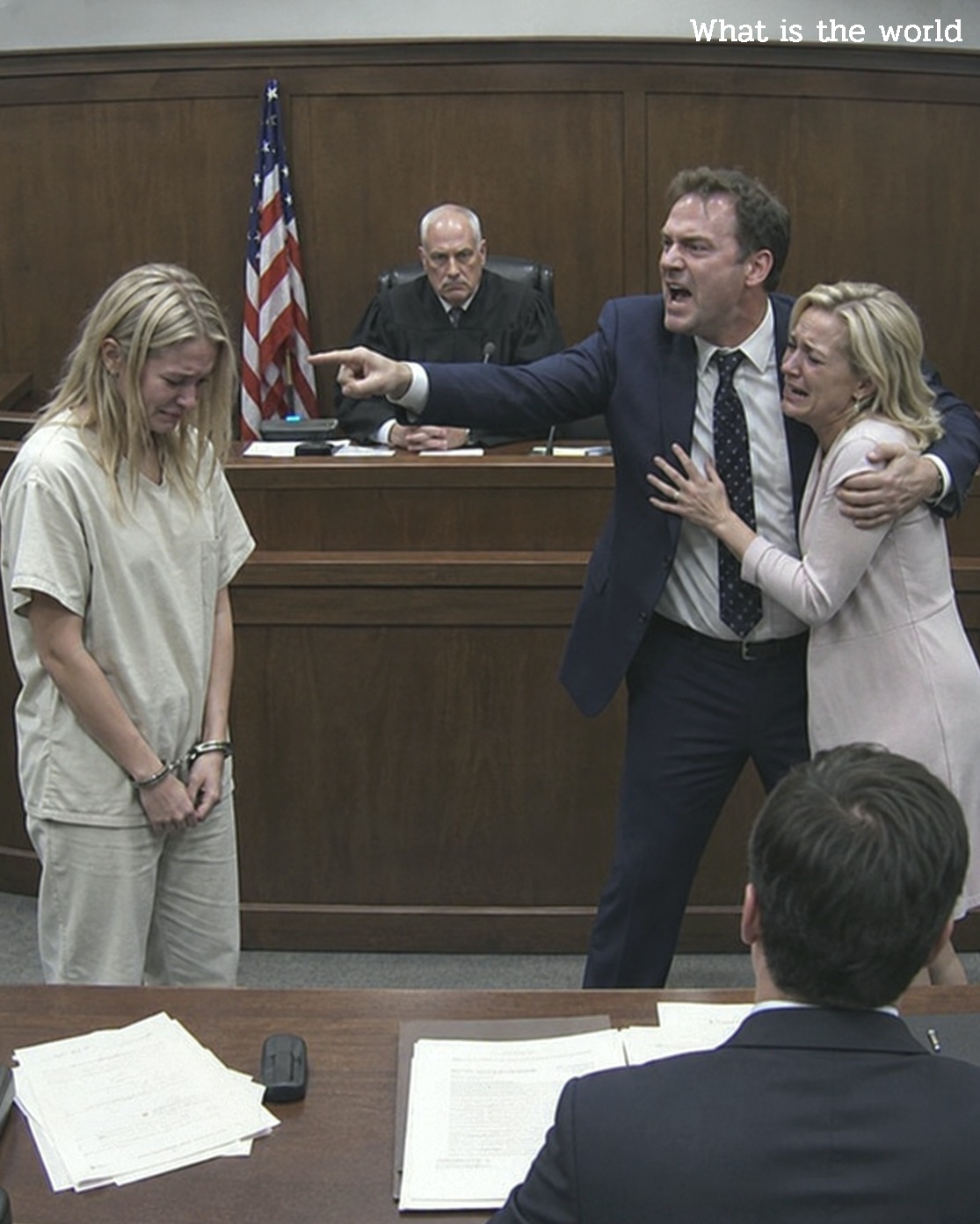
In a quiet suburb of Florencio Varela, Argentina, tragedy struck with the discovery of a heartbreaking murder-suicide that left a mother and her autistic son dead—and an entire community reeling. Micaela Andrea Lator, 47, left behind a haunting letter addressed to her husband, Fernando Cuello. In it, she pleaded for the simplest gestures: a morning kiss, a hug for her and their son, Esteban. Her final words echoed with pain: “We didn’t ask for much… we won’t beg you for more. You’ll remember us for the rest of your life.” Authorities say Lator, who had a long history of severe…
In a quiet suburb of Florencio Varela, Argentina, tragedy struck with the discovery of a heartbreaking murder-suicide that left a mother and her autistic son dead—and an entire community reeling. Micaela Andrea Lator, 47, left behind a haunting letter addressed to her husband, Fernando Cuello. In it, she pleaded for the simplest gestures: a morning kiss, a hug for her and their son, Esteban. Her final words echoed with pain: “We didn’t ask for much… we won’t beg you for more. You’ll remember us for the rest of your life.”
Authorities say Lator, who had a long history of severe depression and was under psychiatric care, had reached her breaking point. Her mother had died by suicide under similar conditions, and Lator herself had previously attempted to take her own life. Friends say a recent argument with Cuello, who worked long hours as a lathe operator, had left her emotionally overwhelmed. She reportedly told him, “I was tired of caring for the child,” referring to the demands of raising six-year-old Esteban, who had autism.
On the day of the tragedy, Cuello was at work. Forensic evidence and transportation records confirmed his alibi. He came home to find the unimaginable. Esteban had been shot in the head, possibly while watching TV or asleep. He survived the initial injury but suffered in silence for five hours before dying. Lator attempted to shoot herself in the forehead, but the wound was not fatal. She fired a second shot into her chest, which ultimately ended her life.
Cuello, devastated and in shock, was cleared of any suspicion. “He can’t understand it, he can’t believe it,” said his attorney, Marcelo Chumbita. The grief and disbelief have rippled far beyond one household, prompting national discussions around mental health, the burden of care, and the danger of silence.
Just days earlier, another harrowing case surfaced in Buenos Aires. Four members of the Seltzer family were found dead in their apartment. Ian and Ivo, just 12 and 15 years old, were discovered alongside their parents, Bernardo and Laura. Investigators believe Laura Leguizamón, who was under psychiatric treatment, suffered a psychotic break. A disordered handwritten letter found in the kitchen suggested she believed the family was headed toward ruin. Her words were disturbing and fragmented: “We were heading to the streets… I was ruining their lives… I love you all.”
Forensics revealed that Bernardo was likely sedated and killed in his sleep. One son died in his room; the other tried to flee but was caught in the hallway. Laura’s body was found last, in the bathroom, with no signs of struggle. The sequence suggests she took her own life after killing her family.
The two back-to-back tragedies have ignited widespread concern in Argentina over unaddressed mental health issues, caregiver burnout, and the thin line between despair and devastation. Both families had once appeared active, even joyful, on social media. Behind the images of vacations and smiling children, however, were silent cries for help.
The schools and neighborhoods affected have responded with mourning, reflection, and quiet outrage. At ORT school in Almagro, where Ian and Ivo were students, flags flew at half-mast, and a moment of silence was held in their memory. Their community, stunned, remembers the family as kind and involved.
In the aftermath, questions remain. How could these signs be missed? Could intervention have made a difference? Authorities continue their investigations, but the deeper reckoning may lie in how society views mental health—how it listens, supports, and acts before tragedy unfolds.
If you or someone you know is in crisis, help is available. Call the National Suicide Prevention Lifeline at 1-800-273-TALK (8255), or text “help” to 741-741. No one should suffer in silence.