Tragedy on a Busy Highway
An ordinary morning commute in Mexico City turned into a devastating emergency when a tanker carrying liquefied petroleum gas overturned along the Iztapalapa–Chalco highway. Within moments, the incident escalated into a massive fire, sending shockwaves through surrounding neighborhoods and leaving widespread destruction in its wake.City & Local Guides
A Sudden and Powerful Explosion
Witnesses described a loud blast that shook nearby homes and filled the sky with thick smoke. Traffic quickly came to a halt as flames spread across the roadway, engulfing multiple vehicles. Drivers and passengers were forced to act quickly, abandoning cars and moving to safety as emergency services rushed to the scene.
Impact on Lives and Community
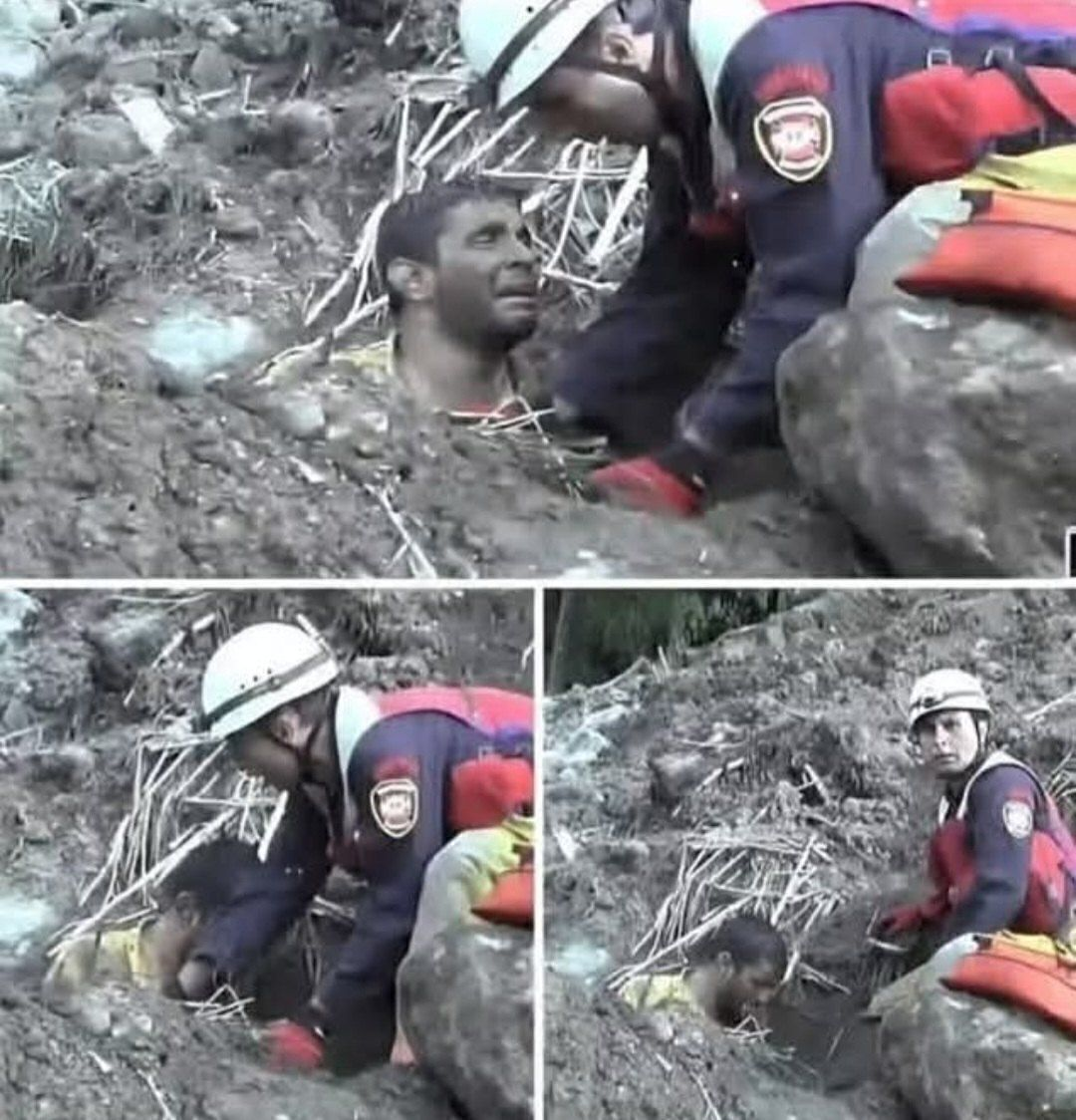
Authorities confirmed multiple fatalities and dozens of injuries, with many individuals receiving treatment for burns and smoke inhalation. Hospitals across the area worked under pressure to care for those affected, while families gathered anxiously for updates on loved ones.
The surrounding communities, including Iztapalapa and Chalco, also experienced structural damage to homes and businesses due to the force of the blast. The emotional impact has been just as significant, with residents shaken by the sudden disruption to daily life.
Questions Around Safety and Oversight
Investigators are now examining what led to the incident. Early reports suggest that factors such as vehicle condition, operational safety, and compliance with regulations may all play a role. The situation has sparked broader discussions about how hazardous materials are transported through densely populated areas.
Safety advocates are calling for stricter enforcement measures, improved inspection processes, and potential route changes to reduce risks in urban zones. Many believe that stronger safeguards could help prevent similar incidents in the future.
A Community Reflects and Remembers
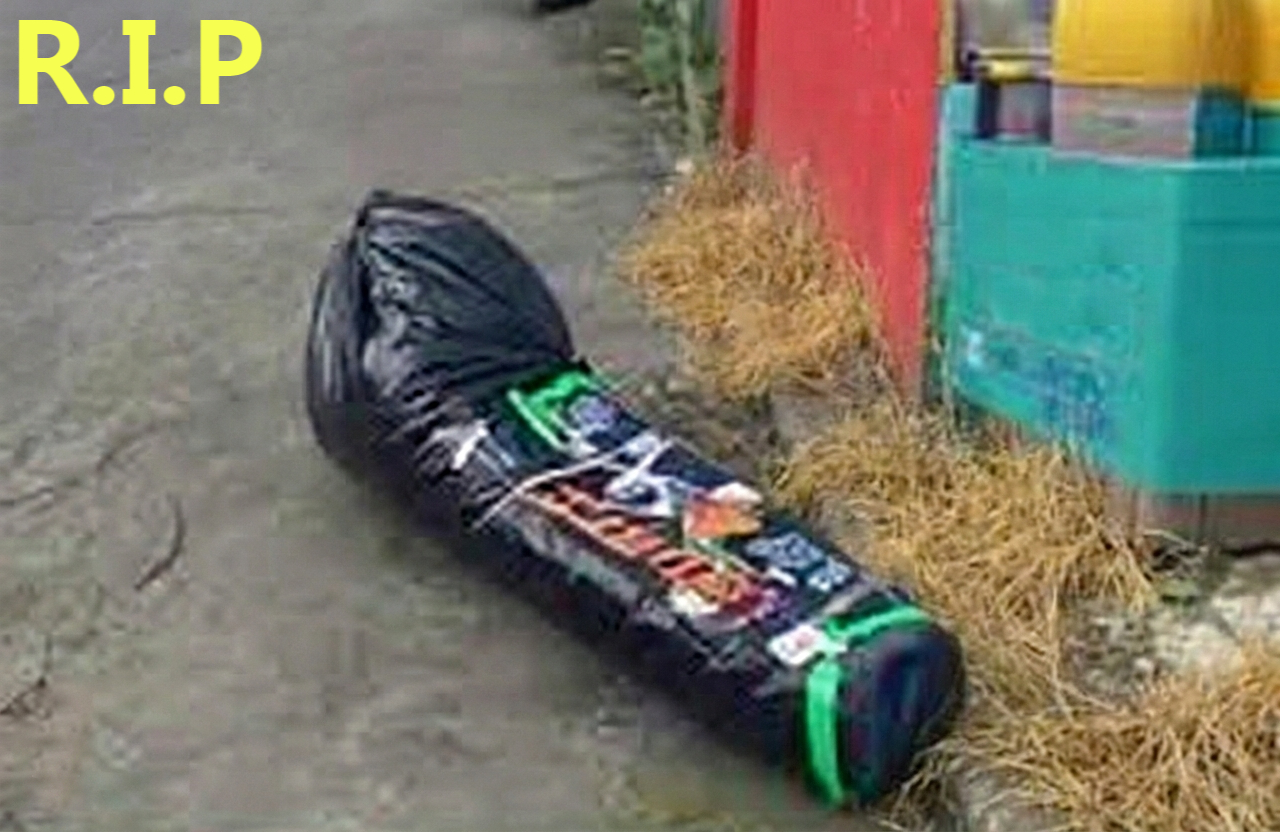
In the days following the tragedy, the highway has become a place of remembrance. Residents have left flowers and candles to honor those affected, turning a stretch of road into a symbol of collective grief and resilience.
As the city reflects on what happened, the focus remains on recovery, accountability, and ensuring that lessons are learned to protect lives moving forward.
Join the Conversation
What steps do you think cities should take to improve safety around hazardous transport? Share your thoughts below.