The fragile boundary separating Hollywood satire from dangerous political incitement has completely shattered. In an era where political division is already at an all-time high, legendary Star Wars actor Mark Hamill found himself at the absolute center of a raging national firestorm. The actor, famous for playing the iconic Luke Skywalker, ignited a massive wave of bipartisan fury after sharing an incredibly controversial, AI-generated image online that depicted President Donald Trump lying in a grave.
The shockwave from the post was instantaneous, colliding with a national climate already thick with heightened anxiety, fear, and hostility.
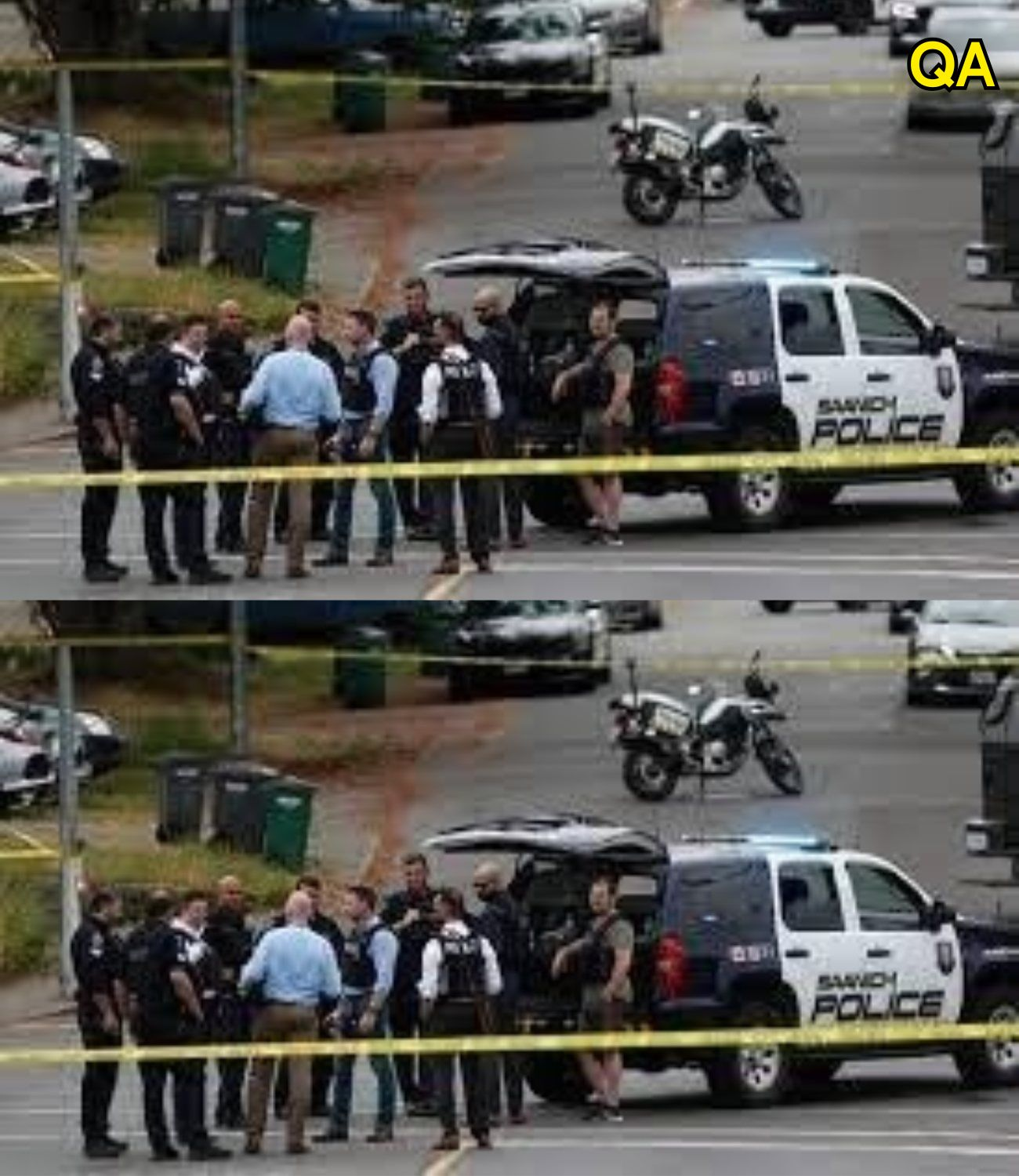
Only days prior, the nation had been rocked by what security officials described as an attempted assassination plot targeting the White House Correspondents’ Dinner. With security agencies on high alert and the public already on edge, Hamill’s attempt at pitch-black political humor did not land with the comedic irony he might have intended. Instead, the provocative image acted like pure gasoline poured onto an already roaring fire, sparking a massive public backlash that quickly reached the highest levels of government.
The White House seized on the social media post immediately, launching a blistering, highly public counterattack against the veteran actor. Official spokespeople wasted no time in framing Hamill’s provocative online activity as a prime example of a dangerous, irresponsible cultural rhetoric that directly inspires real-world extremist violence. In a series of highly charged official statements, government representatives condemned the actor’s post, branding him a radical left, sick individual who had crossed a dangerous line under the guise of artistic expression.
The swiftness and severity of the government’s response sent shockwaves through both the entertainment industry and the political landscape, highlighting how quickly online commentary can escalate into a full-blown national security debate.
As the backlash grew to a deafening roar, Hamill took down the controversial post in a bid to contain the fallout. He issued a semi-apology to his millions of followers, attempting to clarify his intentions while navigating the immense wave of public anger. In his statement, the actor stressed that he actually wished Trump the exact opposite of dead, while simultaneously conceding that the AI-generated imagery he shared was indeed highly inappropriate given the current tense national climate.
However, for many critics and political observers, the apology felt like too little, too late. The incident laid bare the incredibly thin, precarious line that now exists between biting political satire and what is perceived as direct public incitement to violence.
This controversy did not occur in a vacuum. Hamill has spent years utilizing his massive social media platform to launch fierce, highly public broadsides against Donald Trump and his political allies. His long, well-documented history of outspoken progressive activism has made him a beloved figure to his liberal fans, but a frequent target of intense criticism from conservative circles. The actor had even previously flirted with the dramatic idea of leaving the United States altogether following the highly charged 2024 presidential election, cementing his status as one of Hollywood’s most vocal and polarizing anti-Trump figures.
Because of this highly visible track record, his detractors argued that the grave post was not an isolated error in judgment, but rather the logical, dangerous climax of years of unchecked, hostile rhetoric directed at the former president.
The raging debate surrounding Hamill’s post quickly transcended the boundaries of a simple celebrity scandal. It became a prominent, troubling reflection of a deeply polarized nation where pop culture, mainstream politics, and visceral public rage now occupy the very same chaotic battleground. In the modern media landscape, iconic symbols of cinematic heroism and real-world political warfare have become hopelessly entangled.
The incident has sparked a much broader, urgent conversation about the moral responsibilities of high-profile celebrities who possess massive digital megaphones, with many questioning whether public figures should be held to a higher standard of decorum when navigating sensitive national issues.
As the political dust continues to settle, the fallout from the Luke Skywalker controversy serves as a stark, sobering warning about the immense power and volatility of viral imagery in a divided society. What began as a provocative digital post quickly evolved into a national conversation about security, free speech, and the dangerous consequences of dehumanizing political opponents. In a country where the political temperature is constantly hovering near a boiling point, the line between dark humor and perceived threat has never been more perilous, leaving many to wonder if the entertainment industry and the political sphere can ever find a way to coexist without exploding into conflict.